Informazione importante
Questo articolo è scritto da Alfio Nicolosi, Distributore Indipendente PM-International. I contenuti rappresentano opinioni personali ed esperienze del distributore e non costituiscono comunicazioni ufficiali di PM-International AG. FitLine® è un marchio registrato di PM-International AG.
High blood sugar is a problem that affects millions of Italians. According to the Istituto Superiore di Sanità, 6.2% of the Italian population suffers from type 2 diabetes, and many do not know they have high blood sugar.
The good news? With the right eating habits, physical activity and correct supplementation, it is possible to lower blood sugar naturally and keep it under control.
In this complete guide you will discover what to eat, what to avoid and which strategies really work, with practical advice that you can apply starting today.
Important note: This guide is for informational purposes and does not replace medical advice. If you have high blood sugar or diabetes, always consult your doctor before changing your treatment or diet.
What is blood sugar and why is it important
Blood sugar is the concentration of glucose (sugar) in the blood. Glucose is the main source of energy for cells, but when it is too high in the blood it becomes harmful.
Reference values (fasting):
| Value | Meaning |
|---|---|
| Below 100 mg/dL | Normal |
| 100-125 mg/dL | Pre-diabetes (high blood sugar) |
| Above 126 mg/dL | Diabetes (in 2 measurements) |
If your fasting blood sugar is between 100 and 125, you are in a risk zone but you can still intervene with lifestyle. This is the golden window for taking action.
8 Symptoms of High Blood Sugar Not to Ignore
Many people have high blood sugar without knowing it. Here are the signs to recognize:
- Excessive thirst (polydipsia) - You drink much more than usual
- Frequent need to urinate - Especially at night
- Persistent tiredness - Despite rest
- Blurred vision - Difficulty focusing
- Wounds that heal slowly
- Constant hunger - Even after eating
- Tingling in hands and feet
- Unexplained weight loss (in later stages)
If you recognize 3 or more of these symptoms, have your blood sugar checked by your doctor.
How to Lower Blood Sugar with Nutrition
Nutrition is the most powerful tool for controlling blood sugar. You don't need an extreme diet: intelligent choices are enough.
Foods that Lower Blood Sugar
1. Green leafy vegetables
- Spinach, kale, rocket, chard
- Rich in magnesium and fibre, with almost zero glycemic impact
- Objective: at least 2 servings per day
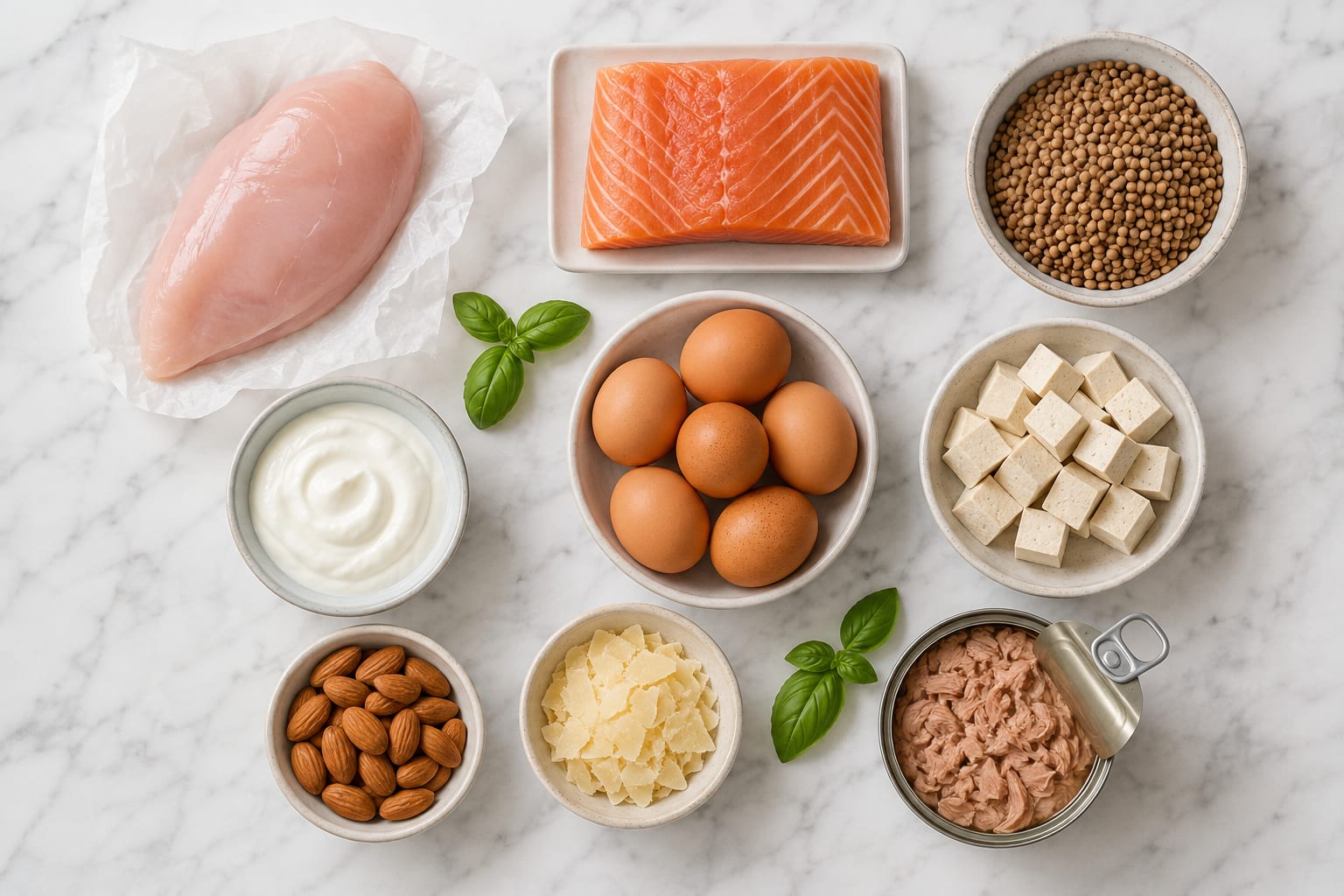
2. Lean proteins
- Chicken, turkey, fish, eggs, legumes
- Proteins slow down the absorption of sugars
- Include a protein source in every meal
3. Good fats
- Extra virgin olive oil, avocado, nuts, seeds
- Monounsaturated fats improve insulin sensitivity
- Raw olive oil is a very powerful ally
4. Whole grains
- Oats, quinoa, brown rice, spelled
- The glycemic index is much lower than refined cereals
- Replace white bread with 100% wholemeal bread
5. Legumes
- Lentils, chickpeas, beans, peas
- Rich in soluble fibers which slow down the absorption of glucose
- 3-4 servings per week
6. Berries
- Blueberries, raspberries, strawberries, blackberries
- Among the fruits with the lowest glycemic index
- Rich in antioxidants and fibre
7. Spices
- Cinnamon: Studies show that 1-6g per day can reduce blood sugar by 10-29%
- Turmeric: Improves insulin sensitivity
- Ginger: Reduces fasting blood sugar
8. Apple cider vinegar
- 1-2 tablespoons diluted in water before meals
- Slows down the digestion of carbohydrates
- Can reduce post-prandial blood sugar by 20-30%
Foods to Avoid (or Limit)
- White sugar and sweets: Candy, biscuits, cakes, ice cream
- Sugary drinks: Soft drinks, packaged fruit juices, energy drinks
- White flour: White bread, non-wholemeal pasta, pizza
- White rice: High glycemic index (GI 73 vs brown rice GI 50)
- French fries and packaged snacks
- Sweetened breakfast cereals
- High GI fruit: Very ripe banana, dates, grapes in large quantities
Anti-Glycemia Daily Menu
Here is an example of a typical day to keep blood sugar under control:
Breakfast:
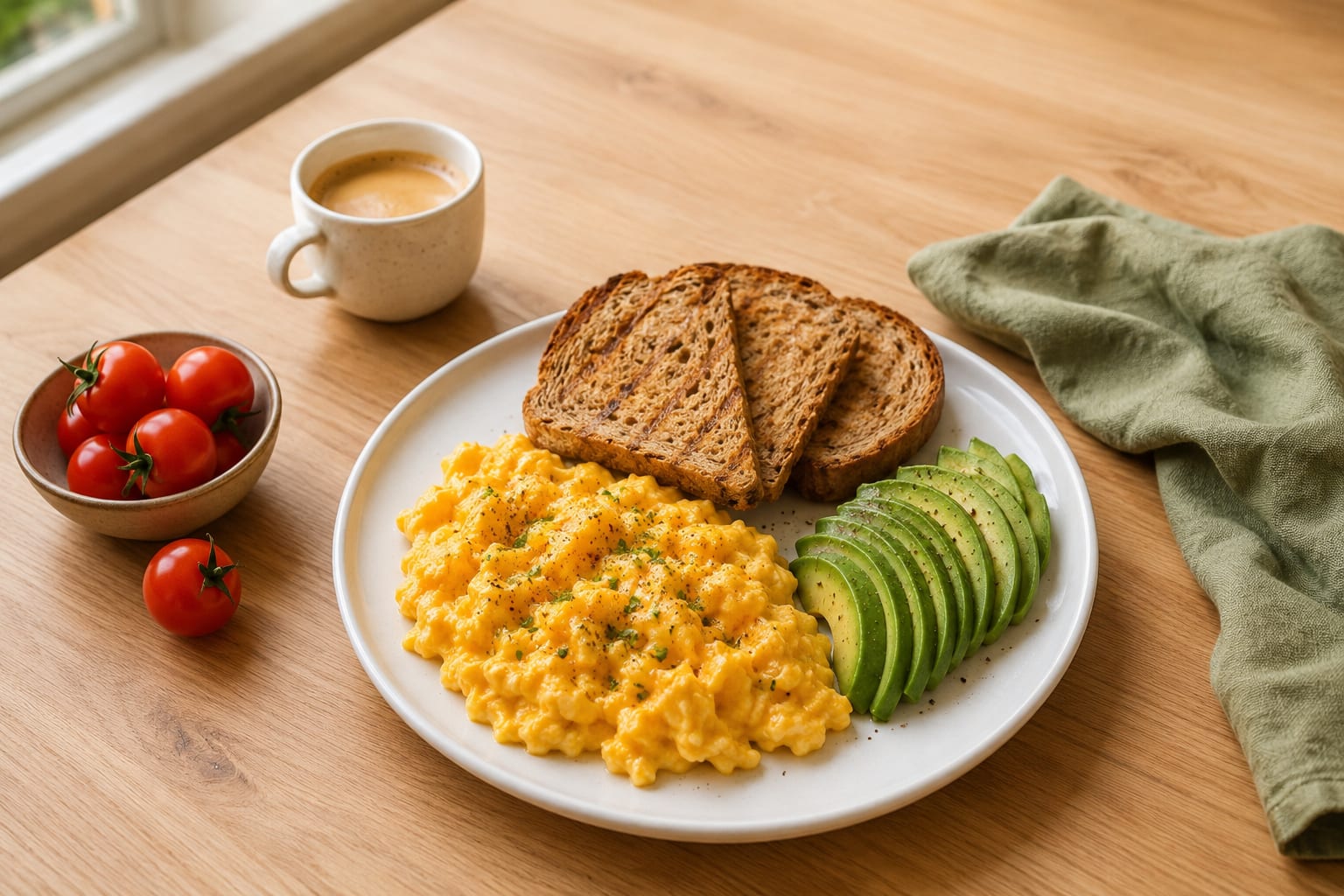
- Greek yogurt with blueberries and walnuts
- 1 slice of wholemeal bread with avocado
- Green tea (without sugar)
Morning snack:
- 1 green apple with 10 almonds
Lunch:
- Quinoa salad with grilled chicken, mixed vegetables and EVO oil
- Side dish of steamed broccoli
Afternoon snack:
- Carrot and celery sticks with hummus
Dinner:
- Baked salmon with lemon
- Grilled vegetables (courgettes, peppers, aubergines)
- 60g of brown rice
The Importance of the Glycemic Index
The glycemic index (GI) measures how quickly a food raises blood sugar. The lower it is, the better.
| Category | IG | Examples |
|---|---|---|
| Low | 0-55 | Legumes, vegetables, yogurt, oats, apple |
| Medium | 56-69 | Basmati rice, banana, pineapple |
| High | 70+ | White bread, white rice, potatoes, cornflakes |
Important trick: GI is lowered by combining carbohydrates with proteins, fats and fiber. A wholemeal pasta with vegetables and oil has a much lower GI than the same pasta eaten alone.
Physical Activity and Blood Sugar
Exercise is one of the most effective ways to lower blood sugar, even better than many medications.
How It Works
When you move, your muscles absorb glucose from your blood without the need for insulin. This effect lasts up to 24-48 hours after training.
The Best Activities
- Brisk walk: 30 minutes after meals reduces the glycemic peak by 30-50%. It is the simplest and most accessible strategy.
- Weight training: Increases muscle mass, which is the main "consumer" of glucose in the body.
- HIIT: High intensity interval training. 15-20 minutes is enough.
- Swimming and cycling: Excellent for insulin sensitivity.
- Yoga: Reduces cortisol (stress hormone that raises blood sugar).
How Much Exercise
WHO recommends:
- 150 minutes of moderate activity per week (30 minutes, 5 days)
- Or 75 minutes of intense activity
- 2 sessions of strength training per week
My tip: Start with a 15-minute walk after lunch and dinner. It's the simplest change with the greatest impact on blood sugar.
Natural Blood Sugar Supplements
Some supplements have been shown to help control blood sugar. Here are the most studied:
Chrome
Chromium is the most important mineral for sugar metabolism. It enhances the action of insulin and improves glucose tolerance.
- Recommended dose: 200-1000 mcg per day
- Studies: Reduction of fasting blood sugar by 15-20%
Zinc
Zinc is essential for the production, storage and release of insulin.
- Recommended dose: 15-30 mg per day
- Studies: Improves insulin sensitivity and reduces oxidative stress
Berberine
Berberine is a plant compound studied for its ability to reduce blood sugar.
- Recommended dose: 500 mg 2-3 times a day before meals
- Studies: Effectiveness comparable to metformin in some studies
Alpha-lipoic acid
Powerful antioxidant that improves insulin sensitivity.
- Recommended dose: 300-600 mg per day
- Also useful for diabetic neuropathy
FitLine C-Balance
Among the supplements that I personally use is FitLine C-Balance, specifically formulated to support sugar metabolism. Contains:
- Chromium: Contributes to the normal metabolism of macronutrients and the maintenance of normal blood glucose levels
- Zinc: Supports normal carbohydrate metabolism
- Vitamin C: Powerful antioxidant
- NTC Technology: FitLine's patented technology improves nutrient absorption
I take it daily as part of my supplementation. It is not a substitute for drugs, but a natural support to keep blood sugar balanced.
5 Daily Habits to Control Blood Sugar
1. Eat your vegetables first
The order in which you eat matters. Start the meal with vegetables, then proteins, then carbohydrates. This simple trick can reduce your blood sugar spike by 40%.
2. Don't Skip Meals
Skipping meals causes glycemic changes. Better 3 main meals + 2 balanced snacks. Eating regularly keeps blood sugar stable.
3. Walk After Eating
Even just 10-15 minutes of walking after each meal makes a huge difference. Glucose is absorbed by the muscles instead of accumulating in the blood.
4. Manage Stress
Cortisol (stress hormone) raises blood sugar. Meditation, deep breathing, yoga or simply a walk in nature can lower cortisol and blood sugar.
5. Sleep well
As I explain in the article How to Sleep Better to Lose Weight, even just one night of poor sleep can reduce insulin sensitivity by 30%. Aim for 7-8 hours of quality sleep.
Frequently Asked Questions
How long does it take to lower blood sugar?
With correct nutrition and physical activity, the first improvements are seen in 2-4 weeks. In 3 months the results can be significant.
Does coffee raise blood sugar?
Black coffee without sugar has minimal effect. Indeed, studies suggest that moderate coffee consumption (3-4 cups a day) reduces the risk of type 2 diabetes by 25%. However, be careful with sweetened coffee or cappuccino.
Does fruit raise blood sugar?
It depends on the fruit. Apples, pears, berries, citrus fruits and kiwis have a low glycemic index. Dates, ripe bananas and grapes have a higher GI. In any case, whole fruit is always better than fruit juice.
Does apple cider vinegar really work?
Yes, several studies confirm this. 1-2 tablespoons diluted in a glass of water before meals can reduce the post-prandial glycemic peak by 20-30%. It is not a miracle cure, but it is simple and economical help.
What are the early signs of pre-diabetes?
Pre-diabetes is often silent. The signs may be: excessive thirst, tiredness after meals, frequent hunger, difficulty losing weight. The only certain way to know is a blood test.
When to See a Doctor
See your doctor if:
- Fasting blood sugar is above 100 mg/dL
- You are familiar with diabetes
- You have symptoms such as excessive thirst, frequent urination, tiredness
- You're losing weight for no reason
- You are over 45 years old and have never checked your blood sugar
- You are already taking diabetes medications (don't change your medication on your own)
Conclusion
Lowering blood sugar levels naturally is possible and within everyone's reach. We don't need extreme diets or impossible sacrifices: we need conscious choices repeated every day.
The 3 pillars are:
- Nutrition: More vegetables, proteins, fibre. Less sugar and refined flours.
- Movement: Even just 15 minutes of walking after meals makes a difference.
- Smart supplementation: Chromium, zinc and magnesium support sugar metabolism.
Start with something simple: tomorrow for lunch eat vegetables first, then proteins, then carbohydrates. After a week, add post-meal walking. Small changes, big results.
Do you want a personalized plan for your well-being? Contact me for a free consultation.
Read also:
Want to try FitLine with 5% off?
Message me on WhatsApp for a free consultation, or use my personal discount code to order now on the official store.
Discount code: de9affcf — valid on your first order.
Follow me on Facebook
One honest tip a day on supplements, nutrition and energy
On my page (in Italian) I share guides, comparisons and answers to the questions I get most often. No miracle promises: only what really works and what is just marketing.
Recommended Products for You
Selected based on the article you're reading


C-Balance
Author
Alfio Nicolosi
Independent FitLine Teampartner. Wellness and nutrition expert with years of experience helping people achieve their health goals.
Learn more