Informazione importante
Questo articolo è scritto da Alfio Nicolosi, Distributore Indipendente PM-International. I contenuti rappresentano opinioni personali ed esperienze del distributore e non costituiscono comunicazioni ufficiali di PM-International AG. FitLine® è un marchio registrato di PM-International AG.
What if I told you that the secret to losing weight could be... sleeping more?
It's not a joke. Science has proven that sleep quality is one of the most important factors in weight loss, yet it's the one that almost everyone ignores.
In my transformation journey (from 103kg to 72kg), improving my sleep was a turning point. Once I started sleeping well, everything else — my training, my diet, my energy — improved as a result.
In this guide I will explain why sleep makes you lose weight, what mistakes to avoid and the 7 practical strategies that I use every evening to sleep soundly.
Why You Don't Lose Weight If You Sleep Badly
It's not just a question of tiredness. Sleeping little or poorly triggers a series of hormonal reactions that actively sabotage your weight loss.
Ghrelin and Leptin: Hunger Hormones
When you sleep less than 7 hours this happens:
- Ghrelin increases by 28%: Ghrelin is the hormone that stimulates appetite. More ghrelin = more hunger, especially for fatty and sugary foods.
- Leptin decreases by 18%: Leptin is the hormone that tells the brain "you're full". Less leptin = you never feel full.
The result? You eat more without realizing it. A University of Chicago study showed that people who sleep only 5 hours a night eat on average 385 more calories per day than those who sleep 8 hours. That's almost 3,000 more calories per week.
Cortisol: The Stress Hormone
Sleep deprivation increases levels of cortisol, the stress hormone. Cortisol:
- Promotes the accumulation of abdominal fat
- Increases water retention
- Slows down the metabolism
- Makes it harder to burn fat
Insulin and Insulin Resistance
Even just 4 nights of poor sleep can reduce insulin sensitivity by 30%. This means that your body handles sugars worse, accumulating more fat and having more difficulty using it as energy.
Slowed metabolism
Your basal metabolic rate drops when you sleep little. Your body goes into “energy-saving mode,” burning fewer calories at rest. A study published in Sleep demonstrated that sleep deprivation reduces basal metabolic rate by 5-20%.
How Much Should You Sleep to Lose Weight?
The science is clear:
| Hours of sleep | Effect on weight |
|---|---|
| Less than 6 hours | Obesity risk +55% |
| 6-7 hours | Increased risk |
| 7-8 hours | Optimal area for weight loss |
| 8-9 hours | Ideal for muscle recovery |
| More than 9 hours | No additional benefits |
The goal is to get 7-8 hours of quality sleep. It's not just the quantity that matters: waking up rested is more important than sleeping 10 hours and tossing around all night.
7 Strategies to Sleep Better (and Lose Weight)
1. The 10-3-2-1-0 Rule
This is the formula that changed my nights:
- 10 hours before sleep: Stop caffeine
- 3 hours before: Stop eating (the last meal)
- 2 hours before: Stop work and stress
- 1 hour earlier: Stop screens (phone, TV, computer)
- 0: The number of times you press snooze in the morning
It seems simple but it is incredibly effective. Since I follow this rule, I fall asleep in less than 15 minutes.
2. Create a Perfect Sleep Environment
Your bedroom should be a temple of sleep:
- Temperature: 16-18°C is ideal. The body needs to cool down to fall asleep.
- Total darkness: Use blackout curtains. Even the slightest light (TV LED, bright alarm clock) disturbs the production of melatonin.
- Silence: Use earplugs or a white noise machine if necessary.
- Mattress and pillow: If you have back pain when you wake up, it's probably time to change them.
3. The Evening Routine (Sleep Hygiene)
The body loves routine. Here's mine:
- 9.00pm - Light dinner (protein + vegetables, few carbohydrates)
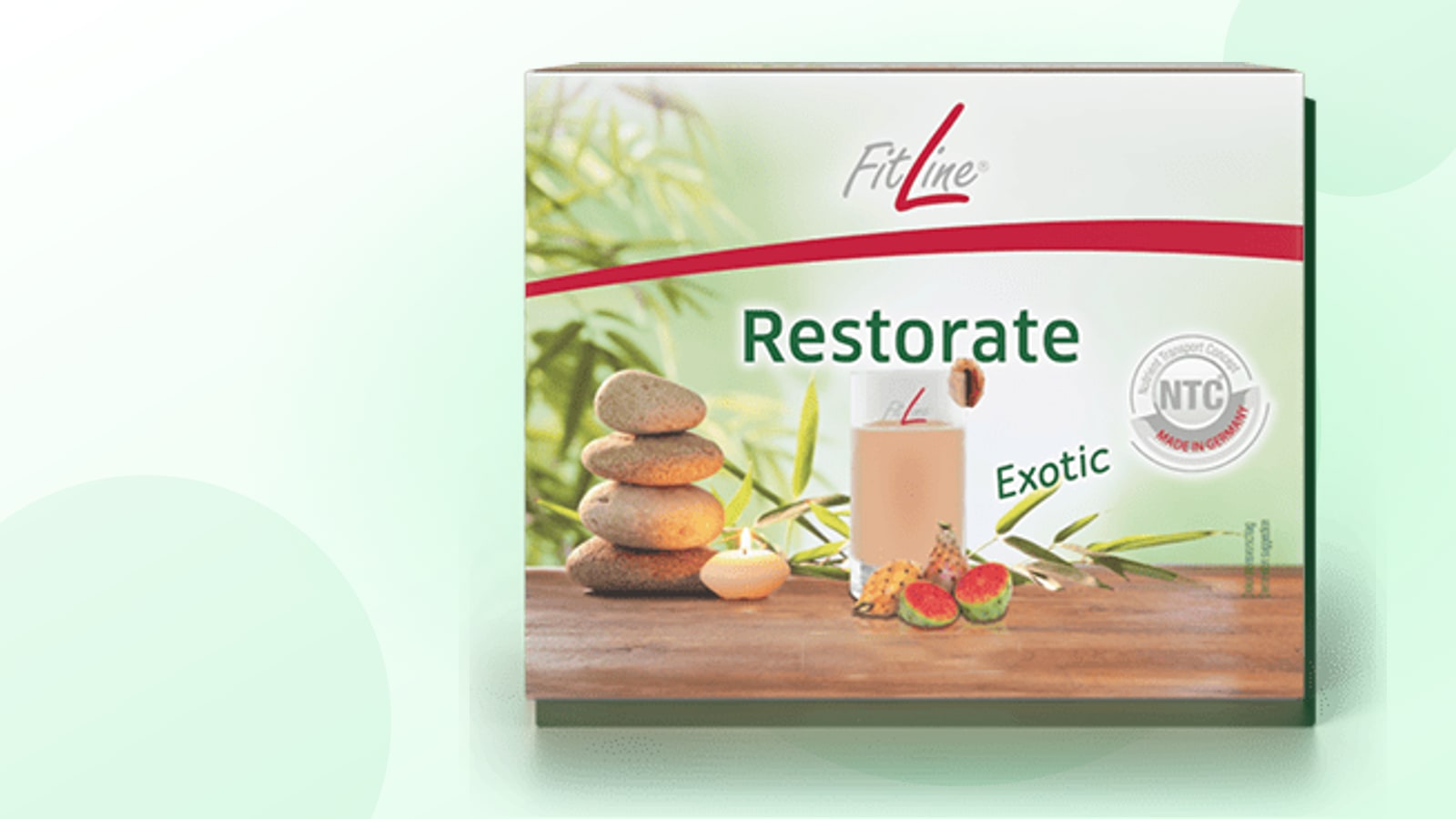
- 9.30pm - Restorate Citrus with warm water
- 10.00pm - Lukewarm shower (lowers body temperature)
- 10.15pm - Reading (physical book, no screens)
- 10.30pm - Lights out, 5 minute guided meditation
- 10.35pm - Falling asleep
Repeating the same sequence every evening "programs" the brain: it knows it's time to sleep.
4. Nutrition for Better Sleep
What you eat directly affects the quality of your sleep.
Foods that help sleep:
- Bananas: Rich in magnesium and potassium, they relax muscles
- Almonds and walnuts: Contain natural melatonin
- Turkey and chicken: Rich in tryptophan, precursor of serotonin
- Kiwi: Studies show that 2 kiwis before bed improve sleep quality by 42%
- Chamomile and relaxing herbal teas: Proven calming effect
Foods to avoid in the evening:
- Caffeine (coffee, black tea, dark chocolate)
- Alcohol (seems to help but destroys the quality of REM sleep)
- Spicy foods (raise body temperature)
- Large, fatty meals (heavy digestion)
- Refined sugars (glycemic peaks during the night)
5. Physical Activity (But with the Right Timing)
Physical exercise greatly improves the quality of sleep, but timing is essential:
- Morning/Afternoon: Ideal. Training increases body temperature, which then drops in the evening, helping you fall asleep.
- Early evening (within 3 hours of bedtime): Yoga, stretching, light walking are fine.
- Late evening (less than 2 hours before): Avoid intense workouts. Adrenaline and cortisol will keep you awake.
6. Stress Management
Stress is the number one enemy of sleep. Strategies that work:
- Journaling: Write 3 positive things about the day and 3 priorities for tomorrow. Free your mind.
- Breathing 4-7-8: Inhale for 4 seconds, hold for 7, exhale for 8. Repeat 4 times. It is a natural switch for the parasympathetic nervous system.
- Guided meditation: Even just 5 minutes. Apps like Insight Timer are free.
- No news and social media after 9pm: Negative news and scrolling activate the brain.
7. Smart Sleep Integration
Some supplements can make a huge difference in the quality of your sleep:
- Magnesium: 70% of Italians are deficient. Magnesium relaxes muscles and the nervous system. Dose: 300-400mg before bed.
- Zinc: Improves the quality of deep sleep and cell regeneration.
- Vitamin D: Deficiency is linked to sleep disorders. Many Italians are in shortage, especially in winter.
- Melatonin: Useful for jet lag or for those who have difficulty falling asleep. Dose: 0.5-3mg.
I personally use Restorate Citrus by FitLine every evening. Contains magnesium, zinc and vitamins in a formula with NTC technology that improves absorption. Since I have been using it (2 years), the quality of my sleep has improved drastically: I fall asleep earlier, I wake up rested and I no longer have nighttime awakenings.
My Experience: How Sleep Changed Everything
When I weighed 103kg I slept terribly. I woke up 3-4 times a night, snored and was devastated in the morning. A vicious circle: I slept badly → I was tired → I ate more → I gained weight → I slept worse.
The change started when I implemented the evening routine and started taking Restorate before bed. In 2 weeks:
- I fell asleep in 10-15 minutes instead of an hour
- I no longer woke up during the night
- In the morning I had real energy, not just caffeine
- The nervous hunger in the evening has disappeared
- Training was more productive because I recovered better
Over time, this contributed greatly to the 30kg loss. Sleep is not a luxury: it is an accelerator of weight loss.
Signs You Sleep Badly (Even If You Think Not)
Sometimes we don't realize that the quality of sleep is poor. Do you recognize yourself in any of these?
- You wake up tired even after 8 hours
- You need more coffee to "work"
- You are constantly hungry (especially for sweets)
- You have trouble concentrating
- You're irritable for no reason
- Gain weight despite diet and training
- You have a headache when you wake up
If you answered yes to 3 or more, your sleep quality is probably poor.
When to Consult a Doctor
Disturbed sleep can have medical causes. Contact your doctor if:
- You snore loudly with pauses in breathing (possible sleep apnea)
- You cannot sleep for more than 3 consecutive weeks
- You have excessive daytime sleepiness
- Legs move involuntarily at night
- You have major mood changes related to sleep
Frequently Asked Questions
Can you lose weight by sleeping more?
Not directly, but sleeping better regulates hunger hormones, speeds up metabolism and improves adherence to diet. It is a fundamental factor that makes everything else more effective.
How many hours should I sleep to lose weight?
7-8 hours is the optimal zone. Less than 6 hours increases the risk of obesity by 55%.
Does melatonin make you lose weight?
Melatonin does not cause weight loss directly, but by improving the quality of sleep it indirectly promotes weight loss by regulating hunger hormones.
What to drink before bed to lose weight?
Chamomile, valerian or passionflower herbal tea. Avoid alcohol and sugary drinks. I add Restorate for magnesium and recovery.
Conclusion
Sleeping well is not a luxury: it is the foundation of any weight loss and wellness journey. You can have the perfect diet and the best workout, but if you sleep poorly, the results will always be limited.
Start tonight: apply the 10-3-2-1-0 rule and create your evening routine. In a week you will already feel the difference.
Do you want personalized support to improve your sleep and your wellness journey? Contact me for a free consultation.
Read also:
- Magnesium and potassium: benefits and when to take them
- Losing weight during menopause: what actually works
- Chronic Fatigue: Causes, Remedies and How to Regain Energy
- Daily Wellbeing: 5 Habits to Improve Energy and Vitality
- Restorate Citrus: The Secret to a Regenerating Rest
Read next:
Want to try FitLine with 5% off?
Message me on WhatsApp for a free consultation, or use my personal discount code to order now on the official store.
Discount code: de9affcf — valid on your first order.
Follow me on Facebook
One honest tip a day on supplements, nutrition and energy
On my page (in Italian) I share guides, comparisons and answers to the questions I get most often. No miracle promises: only what really works and what is just marketing.
Recommended Products for You
Selected based on the article you're reading


Author
Alfio Nicolosi
Independent FitLine Teampartner. Wellness and nutrition expert with years of experience helping people achieve their health goals.
Learn more