Informazione importante
Questo articolo è scritto da Alfio Nicolosi, Distributore Indipendente PM-International. I contenuti rappresentano opinioni personali ed esperienze del distributore e non costituiscono comunicazioni ufficiali di PM-International AG. FitLine® è un marchio registrato di PM-International AG.
The short answer
As of August 2026, Stiftung Warentest, Germany's most respected consumer testing body, has not published any test of FitLine products. No Öko-Test either. And I am not aware of a published FitLine test by consumer organisations such as Which? in the UK or Consumer Reports in the US. If you land on pages talking about a "test winner" or an official "rating", read them as sales copy, not as a test result.
Full disclosure first: I'm Alfio Nicolosi, Independent FitLine Teampartner. If you buy through the links on this page, I earn a commission. That's exactly why I'm writing the article I wish I'd read before I started more than two years ago: what has really been verified, and what those checks cannot tell you.
Why Stiftung Warentest hasn't tested FitLine (so far)
Consumer testing organisations work on a simple principle: they buy products anonymously through normal retail channels, meaning pharmacies, drugstores, supermarkets and online shops. That way they test exactly what any shopper gets, not a sample hand-picked by the manufacturer.
FitLine doesn't fit that model. It isn't on any shelf; it's sold only through direct selling, in the official PM-International shop via a Teampartner (like me). That is the most plausible reason, and the one cited by several sources, why Stiftung Warentest has never included FitLine in a comparison of multivitamins from pharmacies and drugstores. The same logic applies to consumer bodies in other countries.
What this means for you: the absence of a test is neither a seal of quality nor a red flag. It only tells you FitLine hasn't gone through the one process many consumers trust most. The rest you have to piece together from other sources, which is what the next sections are for.
💬 Not sure if FitLine is right for you?
Message me on WhatsApp: I reply personally and I'll tell you honestly whether it makes sense for your goal — even when the answer is no. No strings attached.
Or find out how to get 20% off your products.
What consumer watchdogs say about supplements in general
Even without a FitLine test, the general stance is worth knowing. Stiftung Warentest and the German consumer advice centres (Verbraucherzentralen) are critical of food supplements as a category: for people who eat a balanced diet, they are usually "unnecessary". Der Spiegel argued along the same lines in a 2023 editorial: supplements are almost always superfluous and can even do harm.
That position applies to all supplements, not FitLine specifically, and it's a fair one. Food supplements are not a substitute for a balanced, varied diet and a healthy lifestyle. Anyone hoping to "repair" a poor diet with a powder has misunderstood the principle.
The counter-argument, also quoted in the press: according to the Robert Koch Institute's DEGS1 study, around 30% of adults in Germany don't reach the recommended minimum supply of vitamin D; documented gaps also exist for folic acid and iodine. "Eat a balanced diet" is simple in theory; in practice, many people don't manage it every day.
My take: both sides are right. Whether you belong to the "unnecessary" group or the "gap" group is something neither a consumer body nor I can tell. Your blood work and your doctor can.
Which checks FitLine actually goes through
No consumer test doesn't mean nobody is looking. These controls are documented:
| Check | Who does it | What is checked | What it means for you |
|---|---|---|---|
| TÜV SÜD ELAB | Independent testing laboratory | Recurring checks with analysis of the ingredients | What's on the label is measured regularly |
| Cologne List (Kölner Liste) | Initiative of organised sport in Germany | Supplements tested for doping substances | Public database; important for athletes subject to doping controls |
| GMP | Manufacturing standard | Production according to Good Manufacturing Practice | Documented, controlled production processes |
| QR code on the pack | PM-International | Links to the analysis results | You can look up the check yourself without asking anyone |
Add to that the partnerships regularly mentioned in the press (the German Ski Association DSV, the Austrian Ski Association ÖSV, various professional athletes): an indication of diligence, not proof of effectiveness.
How to check the Cologne List yourself
Don't take my word for it. Look it up, it takes two minutes:
- Open the Cologne List website (koelnerliste.com).
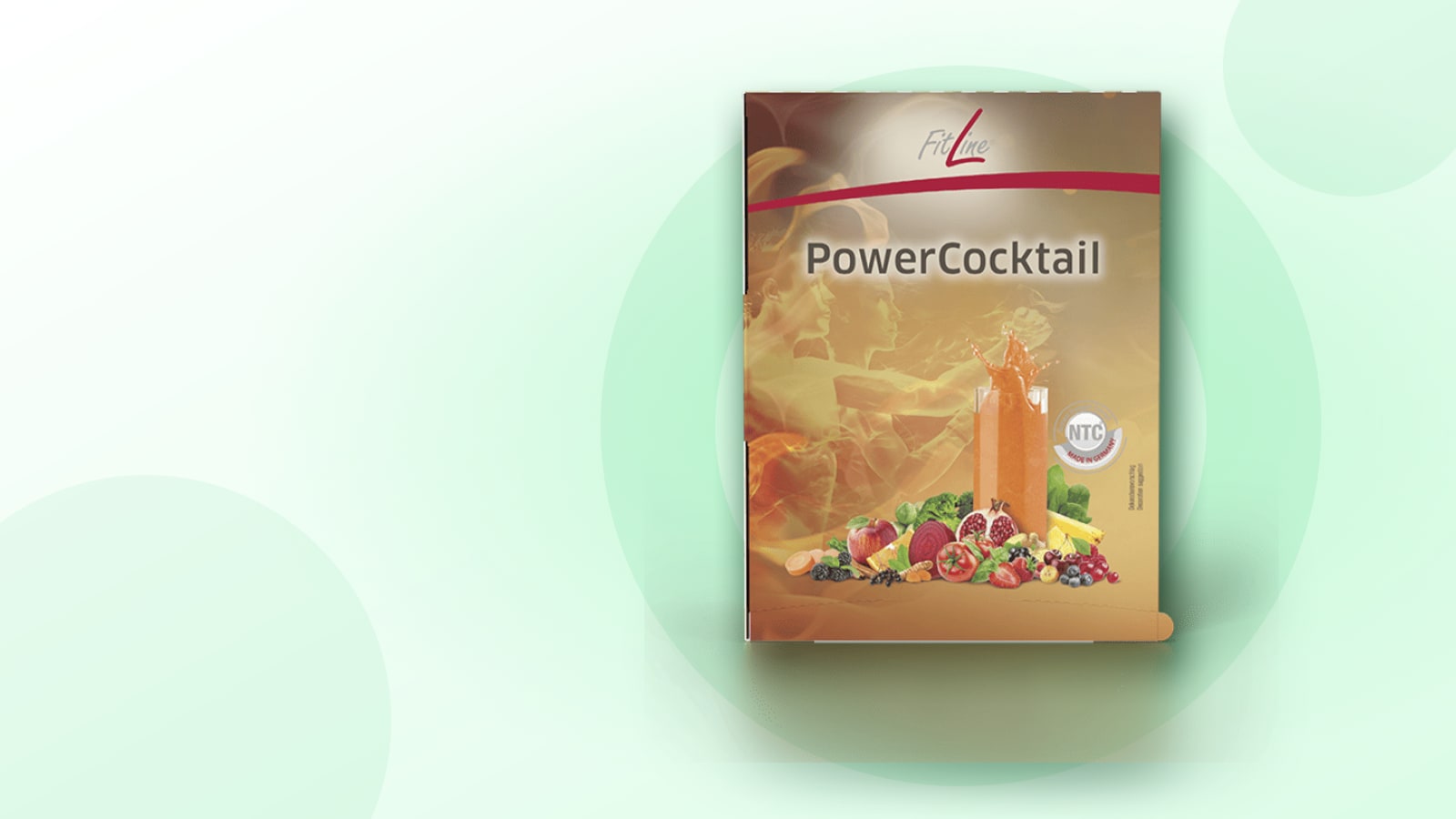
- Search the product database for "FitLine" or directly for a product name such as "PowerCocktail" or "Restorate".
- Check whether the product is listed and how recent the entry is.
A large part of the FitLine range is listed, but not necessarily every product in every flavour. Which is exactly why you should check, not believe.
What these checks do NOT answer
Here's the honest part, because no laboratory can answer these questions:
- Whether FitLine does anything for you personally. A lab analysis confirms the declared amounts of vitamins and minerals are in there. Whether you need those nutrients depends on your diet, your daily life and your blood values.
- Whether the product is "natural". Critics often talk about "synthetic ingredients". In fact, "synthetic" describes the manufacturing process, not the quality; vitamin C is vitamin C. Still, if you only want whole foods, a powder whose first ingredient is fructose (as stated on the German PowerCocktail label) is not what you're looking for.
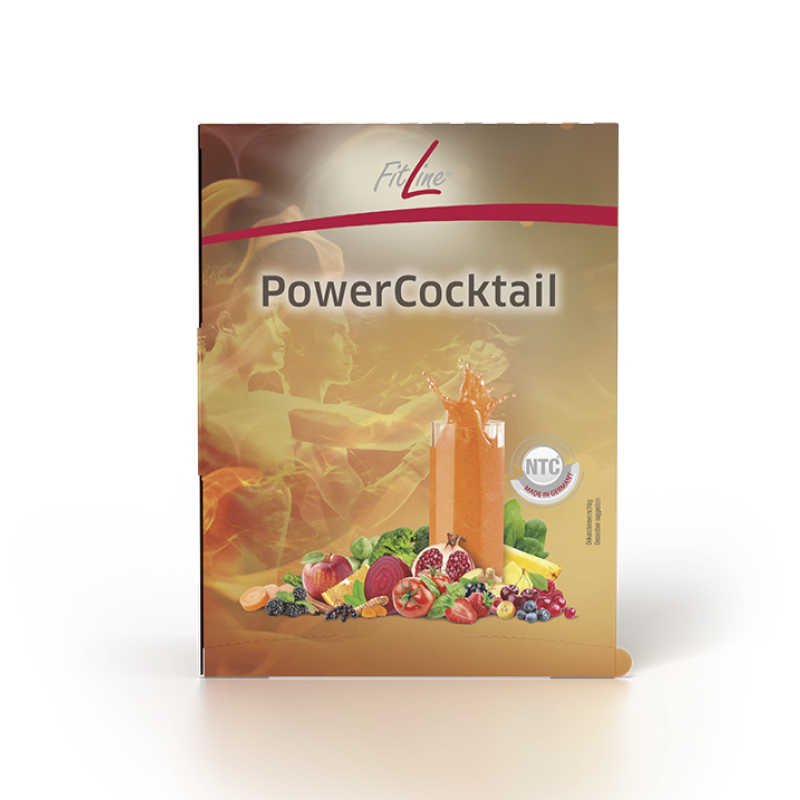
- Whether the price is justified. In Germany, PowerCocktail costs €93.50 for 30 servings according to fitline.com (2026), roughly €3.12 per serving; for your country, see the PowerCocktail product page. A pharmacy multivitamin costs a fraction of that. Whether the combination of fibre, lactic acid cultures, enzymes and vitamins is worth the premium is a budget decision, not a certificate.
- Whether you need it at all. The most important question, and the only one neither TÜV nor the Cologne List asks.
A Cologne List entry reduces the risk of unknowingly taking a doping substance. It says nothing about whether the product will make you feel better. Keep that distinction in mind in every sales conversation.
My own "test" as a user
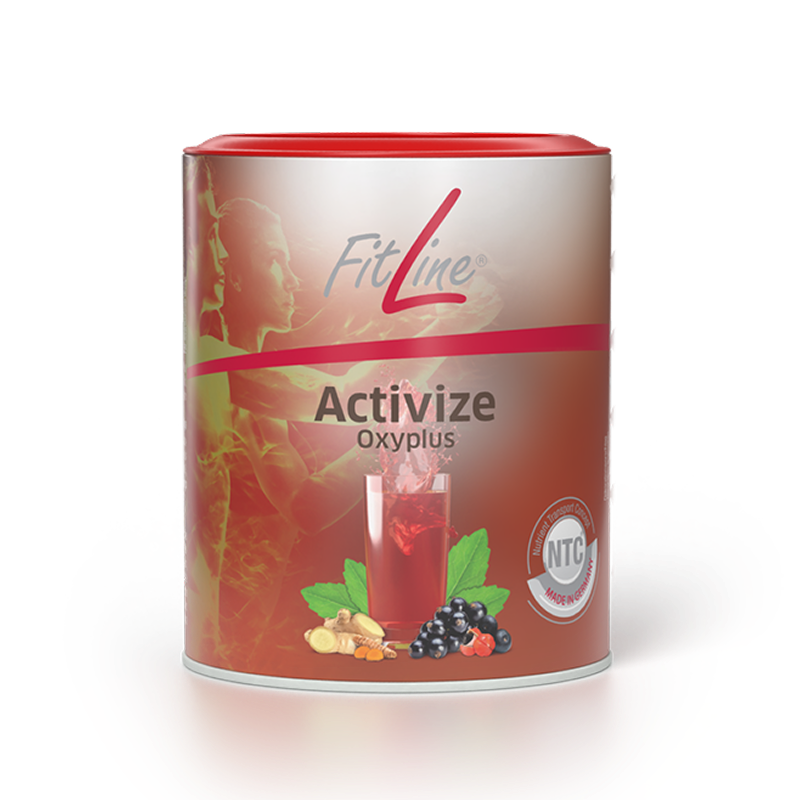
My test isn't a laboratory but more than two years of daily life, so it's subjective. I take PowerCocktail in the morning, Restorate in the evening and Activize when I need energy. I lost 30 kg: through a change of diet, daily walks and FitLine as a companion. The product alone was not the reason for the weight loss; the routine was. Anyone telling you otherwise is selling you a story.
What I observe in myself and in customers matches what a German user described publicly after six years: no before-and-after story like in a commercial, but small, subjective changes, such as more alert mornings, less of an afternoon slump, more stamina in sport. With the honest caveat that these changes can't be attributed to the product with certainty, because diet, exercise and sleep improved at the same time.
That's the realistic frame of expectations. What the nutrients can do is defined by the authorised claims: vitamin B12 contributes to normal energy-yielding metabolism, magnesium contributes to the reduction of tiredness and fatigue, vitamin C contributes to the normal function of the immune system. I can't promise you more, and nobody should.
How to test FitLine yourself: the 4-week protocol
If the consumer bodies don't test it, you can, with a protocol more honest than any online rating.
Step 1: Start small. Not the big bundle. One product, two at most, for example PowerCocktail in the morning or Restorate Citrus in the evening. You'll find an overview of all products in my FitLine product guide 2026.
Step 2: Record your baseline. Before the first serving, write down for one week: how awake you feel in the morning (1 to 10), when the afternoon slump hits, how you sleep. Without a "before", any "after" is worthless.
Step 3: Four weeks, same conditions. Change nothing else during that time: don't start a diet at the same time, don't take up running the same week. Otherwise you won't know what worked.
Step 4: Keep a diary. Two lines a day: energy, sleep, digestion, anything unusual. PowerCocktail contains 30 mg of caffeine per serving; if you're caffeine-sensitive, you may notice it. Minerals such as magnesium can have a laxative effect in higher doses; that's a known property of minerals, not something specific to Restorate.
Step 5: Evaluate honestly. After four weeks, compare with your baseline week. No difference? Then FitLine is probably, for you, what the consumer watchdogs say: unnecessary. And that's a perfectly legitimate result.
When to stop immediately: with intolerances, skin reactions or persistent digestive complaints. If you take medication, are pregnant or have a medical condition, talk to your doctor before starting, not to your Teampartner. More on this in my article on FitLine side effects and ingredient safety.
If you want to test without paying full price: my discount code gives you 5% off your first order; registering as a Teampartner gives a permanent 20%. Whether that's worth it for you I explain honestly under become a partner.
Frequently asked questions
Has Stiftung Warentest tested FitLine? No. As of August 2026 there is no published Stiftung Warentest test of FitLine products. The most likely reason: Stiftung Warentest buys anonymously in retail, while FitLine is sold only through direct selling.
Has Which? or Consumer Reports tested FitLine? I'm not aware of any published test (as of August 2026). The same retail logic applies. Treat any page advertising an official "score" for FitLine with caution and ask which issue it supposedly appeared in.
What is the Cologne List? The Kölner Liste is an initiative of organised sport in Germany. It lists supplements that have been tested for doping substances in a public database at koelnerliste.com. It speaks to doping risk, not to a product's effectiveness.
Is FitLine legit? The manufacturer, PM-International, has existed since 1993 (founder Rolf Sorg), is headquartered in Schengen (Luxembourg), has its German office and logistics in Speyer and operates in more than 40 countries. As of August 2026 I'm not aware of any official warning from authorities about FitLine; the criticism comes from consumer advocates (price, supplements in general) and targets the sales model. I cover both in FitLine: warnings and criticism and in network marketing explained honestly.
Where do I find real experiences instead of advertising? In my FitLine review and experiences and in the complete ingredient analysis: no before-and-after photos, but label and price.
Conclusion
FitLine has no Stiftung Warentest result and, as long as the sales model stays the same, probably won't get one. What it does have: lab controls by TÜV SÜD ELAB, Cologne List entries, GMP production and a QR code you can check yourself. That answers the question of quality, not the question of whether it's useful for you.
Only an honest self-test can answer that: start small, four weeks, a diary, no miracles expected. If you have questions along the way, write to me. I'll also tell you if FitLine makes no sense for you.
This article is for information purposes and does not replace medical advice.
Want to try FitLine with 5% off?
Message me on WhatsApp for a free consultation, or use my personal discount code to order now on the official store.
Discount code: de9affcf — valid on your first order.
Follow me on Facebook
One honest tip a day on supplements, nutrition and energy
On my page (in Italian) I share guides, comparisons and answers to the questions I get most often. No miracle promises: only what really works and what is just marketing.
Recommended Products for You
Selected based on the article you're reading


Author
Alfio Nicolosi
Independent FitLine Teampartner. Wellness and nutrition expert with years of experience helping people achieve their health goals.
Learn more