Informazione importante
Questo articolo è scritto da Alfio Nicolosi, Distributore Indipendente PM-International. I contenuti rappresentano opinioni personali ed esperienze del distributore e non costituiscono comunicazioni ufficiali di PM-International AG. FitLine® è un marchio registrato di PM-International AG.
Ozempic and muscle loss: the side of weight loss nobody talks about
Important note: this is not a medical article. Ozempic (semaglutide) and Mounjaro (tirzepatide) are prescription medications, and every decision about your therapy belongs to your doctor. Here we talk about nutrition, protein, and exercise — the things you can act on yourself.
When the number on the scale drops, the instinct is to celebrate. But the scale only tells half the story: it doesn't tell you what you're losing. And with GLP-1 medications like Ozempic and Mounjaro, which drastically reduce how much you eat, part of the weight you lose can be muscle mass, not just fat.
Studies on rapid weight loss — including those conducted specifically on GLP-1 therapies, with body composition measurements — show that without countermeasures a significant share of the weight lost, in some cases up to a third or more, can come from lean mass. That's not a reason to give up the therapy: it's a reason to manage it well.
In this guide we'll look at why it happens, why it's a serious problem (especially after 40-50), and the two countermeasures that work: protein and strength training.
Why GLP-1s put muscle at risk
The mechanism is simple biological arithmetic:
- You eat far less, so less protein comes in — often well below what your body needs.
- The calorie deficit is deep: when your body needs energy and amino acids and they don't come from food, it takes them (in part) from your muscles.
- The vanished appetite shuts down protein foods first: meat and fish are among the first foods that "just won't go down" during therapy.
- If you don't use your muscles, your body treats them as expendable: without a regular strength stimulus, lean mass is the first reserve it draws on.
💬 Not sure if FitLine is right for you?
Message me on WhatsApp: I reply personally and I'll tell you honestly whether it makes sense for your goal — even when the answer is no. No strings attached.
Or find out how to get 20% off your products.
Why muscle mass matters so much
Losing muscle isn't a cosmetic detail. Your muscles are:
- Your metabolic engine: more lean mass means more calories burned at rest. Losing muscle today sets the stage for tomorrow's yo-yo effect — we cover this in the guide on how to maintain your results after Ozempic.
- Your insurance policy for later in life: after 50, muscle mass naturally declines (sarcopenia). Arriving there already depleted by poorly managed weight loss is a problem you pay for over the years.
- Strength and everyday life: posture, balance, stairs, groceries, how energetic you feel. People who lose too much lean mass often feel "drained" even when the scale looks great.
Countermeasure 1: protein, at every meal
European authorities officially recognize that protein contributes to the maintenance of muscle mass. During significant weight loss your protein needs don't go down: they go up. The guidance most widely used by nutrition professionals for people losing weight points to 1.2-1.6 g of protein per kg of body weight per day — the exact number for you should be set with your doctor or dietitian.
With a reduced appetite, hitting that target takes strategy:
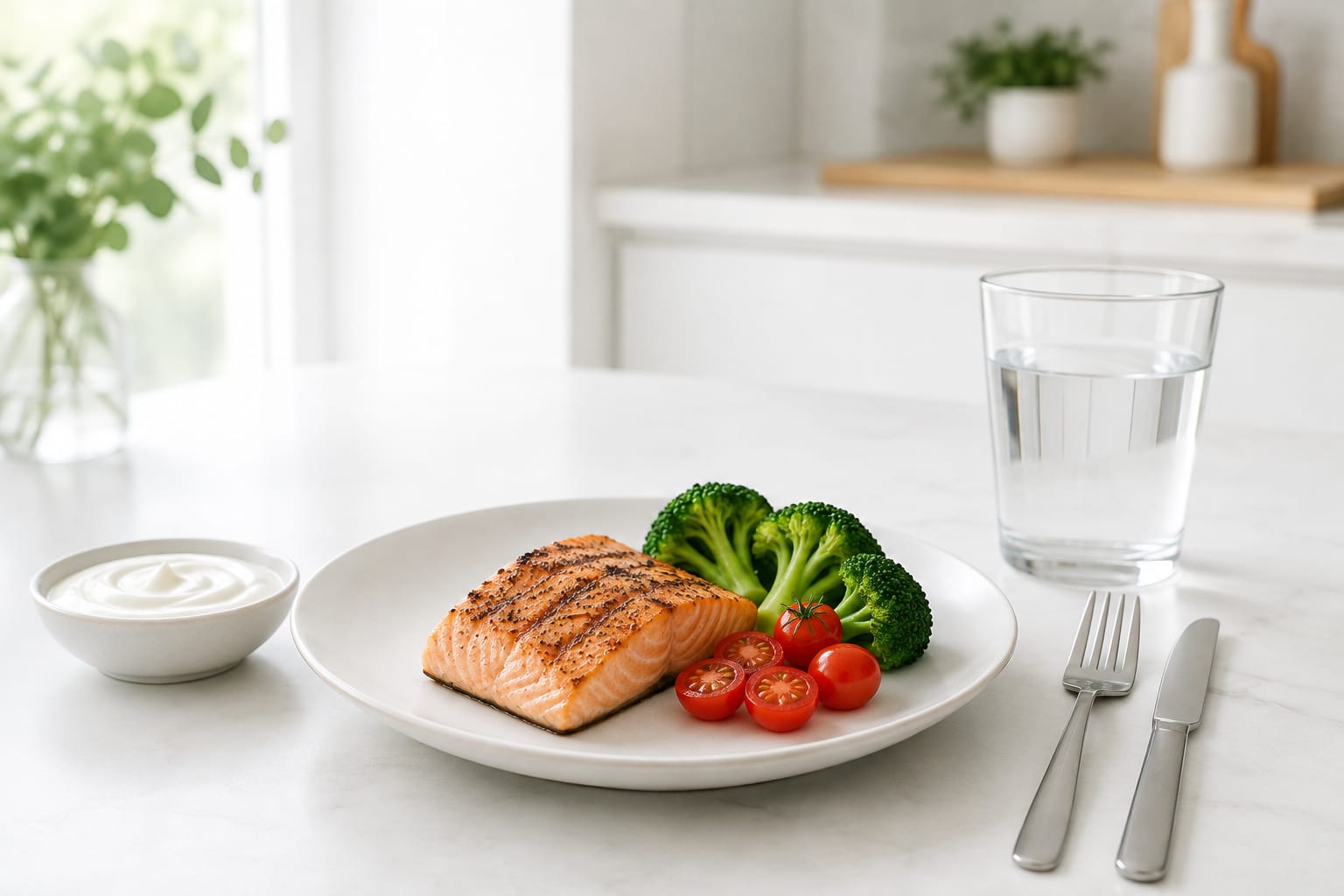
- Protein first, at every meal: if you're eating little, make that little primarily protein (eggs, fish, poultry, dairy, legumes).
- Spread it out: 20-30 g per meal works better than one big evening dose. Start with a high-protein breakfast.
- Eat by the clock, not by hunger: on GLP-1s, hunger won't remind you. The clock will.
Countermeasure 2: strength training
There are no shortcuts here: protein alone isn't enough — you need the stimulus. Walking is great for you, but it doesn't tell your muscles "you're still needed." Resistance training does:
- 2-3 sessions a week are enough, even just 30-40 minutes each.
- No gym required: bodyweight squats, push-ups (even against a wall), lunges, resistance bands, a pair of dumbbells at home.
- Progress gradually: the goal is to do a little more over time, not to wreck yourself in the first session.
- If you have any health conditions, ask your doctor first what type of activity is right for you.
The combination of adequate protein + strength training 2-3 times a week is, according to the weight-loss literature, the most effective strategy to make sure the weight you lose is mostly fat.
Where nutritional support can help
The usual premise first: no supplement replaces the medication, your meals, or your doctor's advice, and no FitLine product causes weight loss. The problem a supplement can solve is a practical one: getting enough protein and micronutrients in when your appetite is at rock bottom.
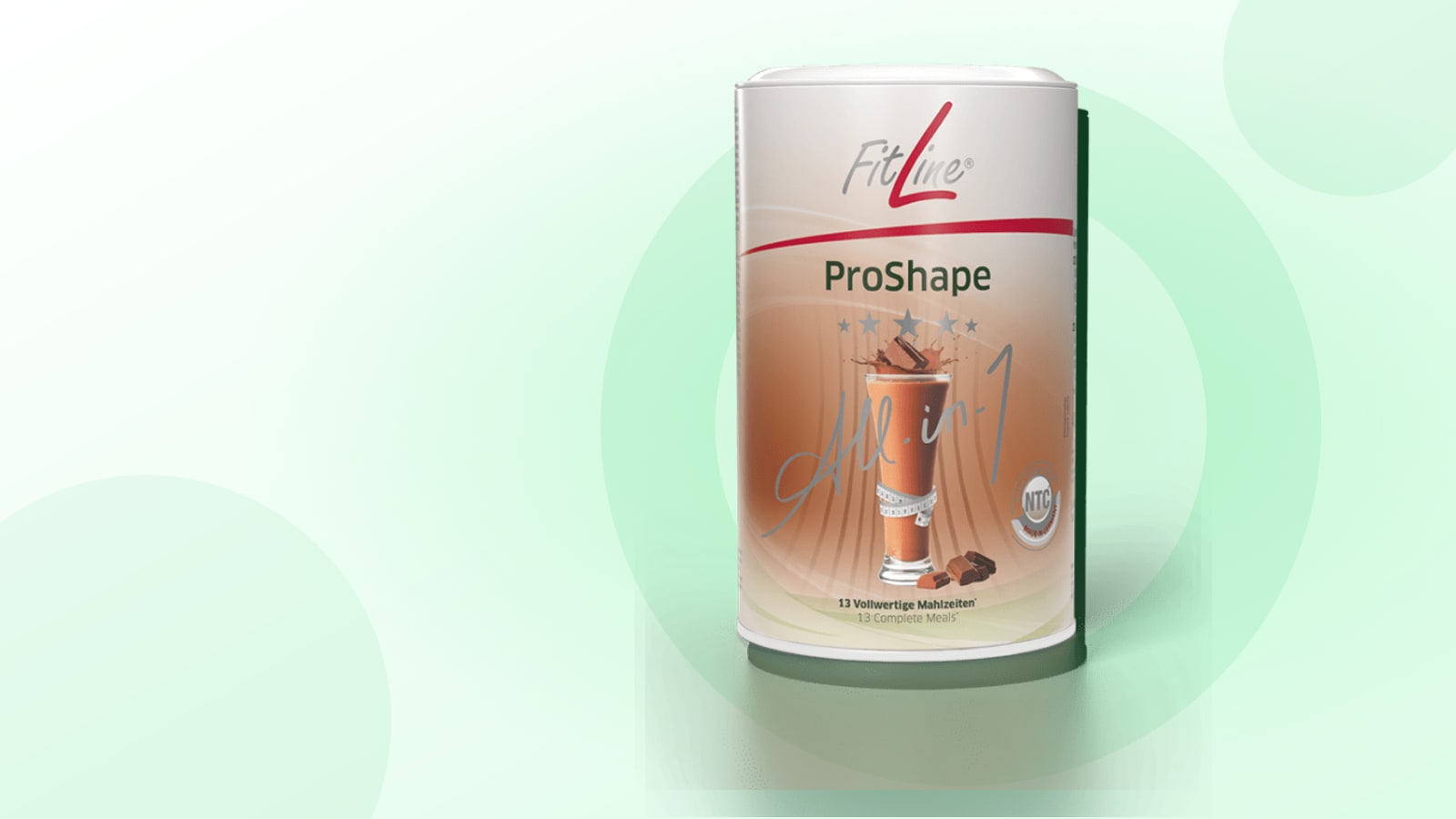
- ProShape All-in-1 — a practical, pre-measured protein source for when you can't reach your daily target with food alone.
- ProShape Amino — amino acids in tablet form, easy to pair with training days.
- Restorate — magnesium (which contributes to normal muscle function), calcium, and zinc, in the evening.
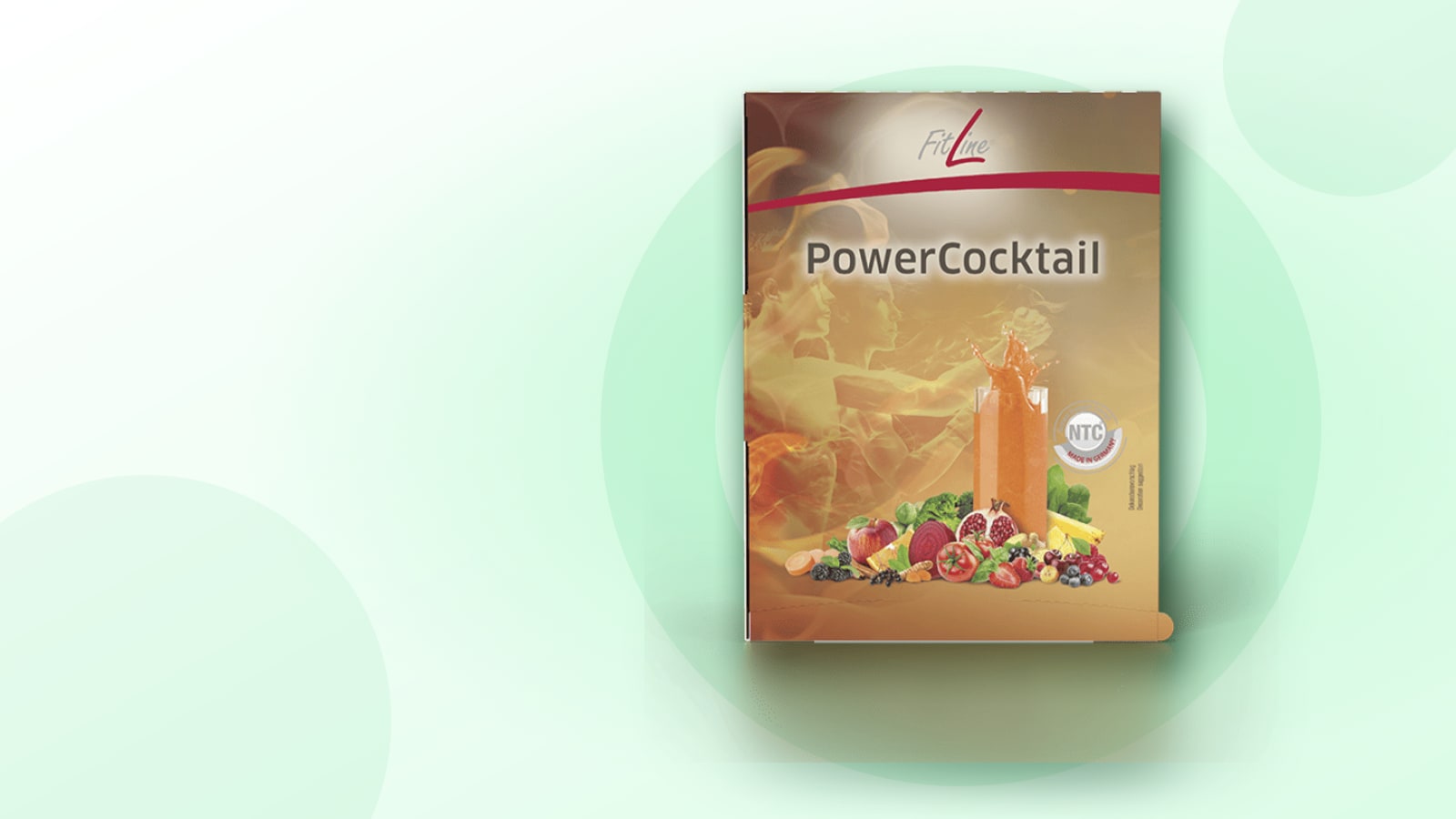
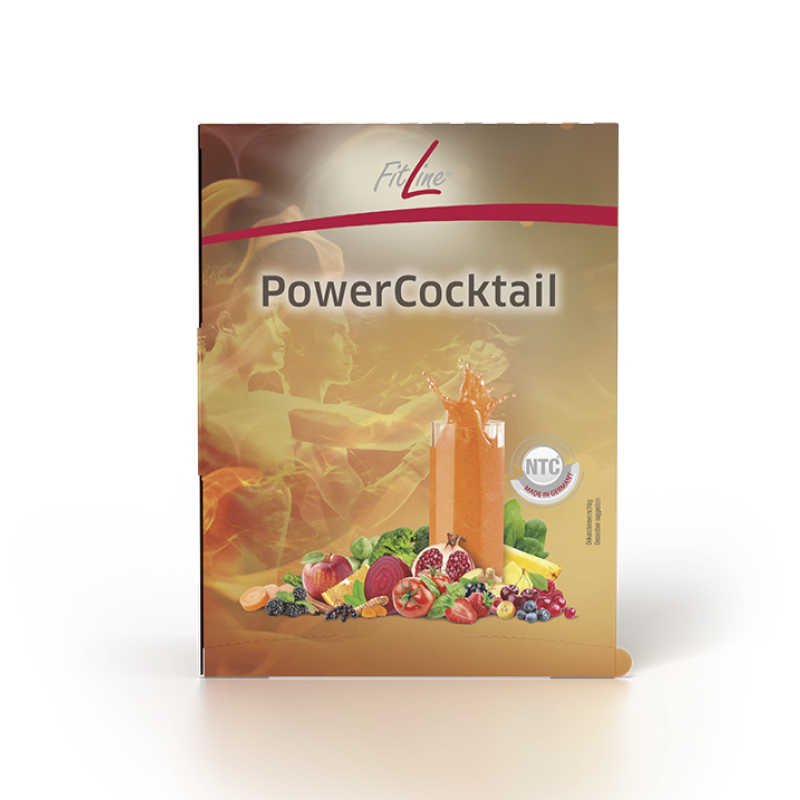
- PowerCocktail — a daily base of vitamins and minerals when meals don't cover much: we take a closer look in the guide to nutrition on Ozempic.
Protein and micronutrient supplements have no known documented interactions with GLP-1 medications, but the rule doesn't change: show the products to your doctor before starting, especially if you have kidney problems or other conditions. Our analysis of safety and interactions is here.
The signs you're losing muscle (and how to measure it)
Typical red flags during rapid weight loss:
- your strength is dropping: grocery bags feel heavier, stairs wear you out faster;
- you feel "drained" or soft even though the scale keeps going down;
- your clothes hang wrong: you're losing volume everywhere, not just where the fat was.
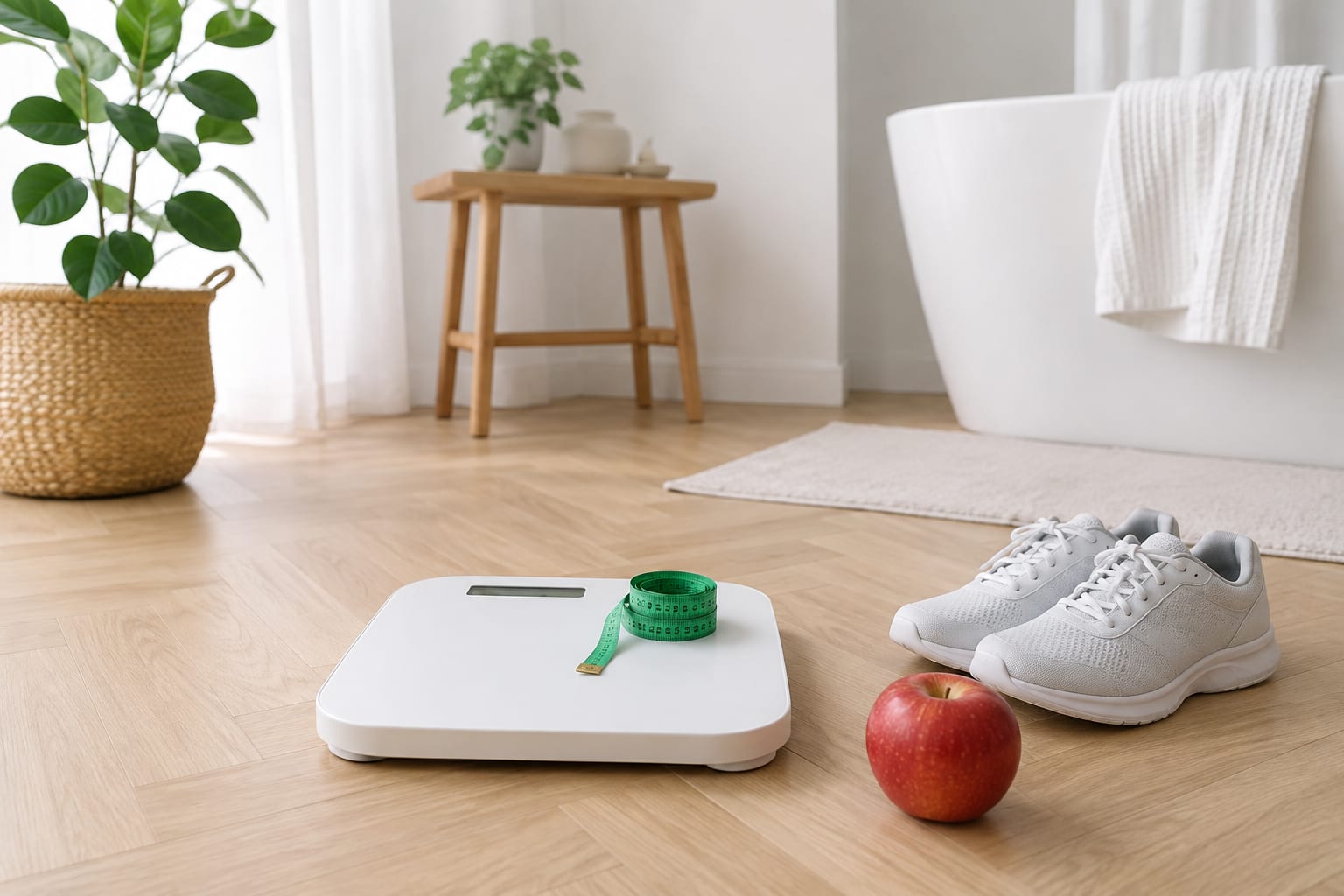
To really measure it you need tools: a bioimpedance (body composition) scale gives a rough idea of body composition (with all its limitations), while the reference test is a DEXA scan, to discuss with your doctor. Even a simple strength log (how many reps you can do) is an honest, free indicator.
Frequently asked questions
How much muscle do you lose on Ozempic or Mounjaro?
It depends on how you manage the therapy. In body composition studies, the share of lean mass lost varies widely from person to person: people who keep their protein intake up and strength train lose far less than those who simply "eat less."
Can I completely avoid muscle loss?
Eliminating it entirely is difficult during major weight loss, but reducing it dramatically is possible: adequate protein at every meal, resistance training 2-3 times a week, regular sleep. Those are the three levers with the most evidence behind them.
Is protein powder okay, or do I need "real food"?
Real food comes first: it also brings vitamins, minerals, and satiety. But when the medication has wiped out your appetite, a practical protein source is far better than a missed protein target. The key is that it's a supplement, not a total replacement for your meals.
Do I need a gym, or is walking enough?
Walking is great for your heart and your mood, but muscles need resistance: squats, push-ups, bands, or weights, even at home. Thirty minutes two to three times a week changes the final outcome.
Want to figure out which products make sense to support your protein intake? Message me, no strings attached: I'll tell you honestly what could help you and what won't. And whatever you choose, run it by your doctor first.
This article is for informational purposes only and is in no way a substitute for your doctor's advice. Never change dosages or therapies on your own.
Want to try FitLine with 5% off?
Message me on WhatsApp for a free consultation, or use my personal discount code to order now on the official store.
Discount code: de9affcf — valid on your first order.
Follow me on Facebook
One honest tip a day on supplements, nutrition and energy
On my page (in Italian) I share guides, comparisons and answers to the questions I get most often. No miracle promises: only what really works and what is just marketing.
Recommended Products for You
Selected based on the article you're reading


Author
Alfio Nicolosi
Independent FitLine Teampartner. Wellness and nutrition expert with years of experience helping people achieve their health goals.
Learn more