Informazione importante
Questo articolo è scritto da Alfio Nicolosi, Distributore Indipendente PM-International. I contenuti rappresentano opinioni personali ed esperienze del distributore e non costituiscono comunicazioni ufficiali di PM-International AG. FitLine® è un marchio registrato di PM-International AG.
After Ozempic and Mounjaro: The Hardest Part Starts Now
Important note: the decision to start, stop, or change treatment with Ozempic (semaglutide) or Mounjaro (tirzepatide) belongs exclusively to your doctor. This article gives no medical advice: it's about eating habits and nutrients — the things you can build yourself, day by day.
There's a question everyone on GLP-1 therapy asks sooner or later: "what happens when I stop?"
It's a legitimate question, because the published data speak clearly: when treatment stops, appetite comes back, and follow-up studies show that a substantial share of the weight lost is regained by people who haven't lastingly changed their habits. It's not a fault or a weakness: it's the physiology of appetite running its course again.
The good news is that this outcome is far from inevitable. What makes the difference is the habits built during and after treatment — and those are something you can work on.
Why the Weight Comes Back: Understanding the Mechanism
GLP-1 medications act on hunger and satiety. As long as you're taking them, eating little is easy, because the hunger simply isn't there. When treatment ends:
- Appetite returns to its previous levels, sometimes with interest.
- Your body comes out of months of very low calorie intake and tends to "catch up."
- If you lost muscle mass during the weight loss, your resting metabolism is lower than before: you burn less, all else being equal.
If you treated the therapy as a parenthesis ("I'll eat less while I'm on the drug, then we'll see"), you land right back on your old habits — only hungrier and with less muscle. If instead you used it as a training ground for building a routine, you're starting from a completely different place.
💬 Not sure if FitLine is right for you?
Message me on WhatsApp: I reply personally and I'll tell you honestly whether it makes sense for your goal — even when the answer is no. No strings attached.
Or find out how to get 20% off your products.
The Golden Window: Build the Habits During Treatment
The best time to prepare for the "after" is during. With your appetite silenced by the medication, changing habits is far easier: there's no hunger working against you. It's the ideal time to learn to:
- eat at regular times instead of "whenever";
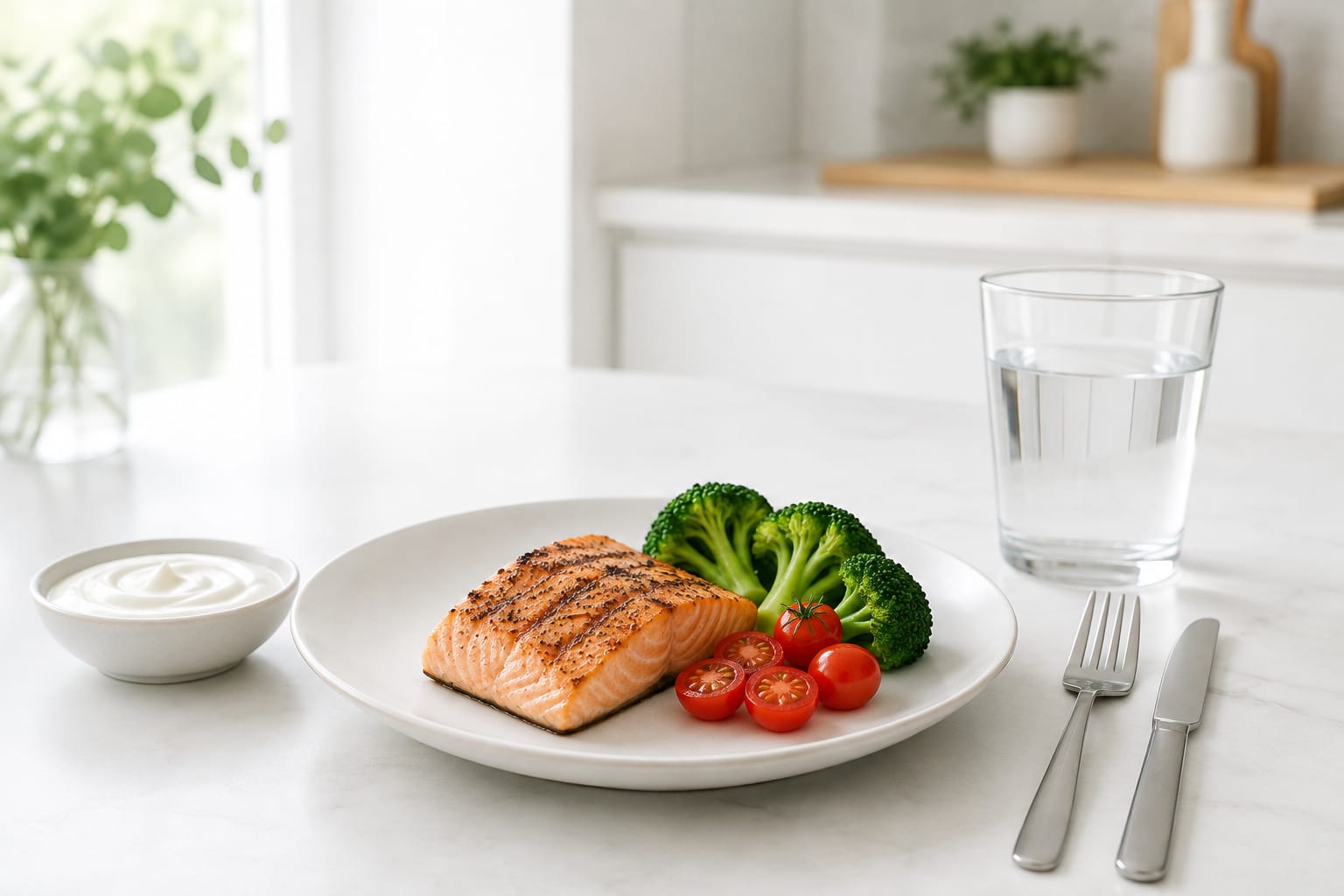
- prioritize protein at every meal;
- cover your vitamins and minerals every day;
- drink enough water;
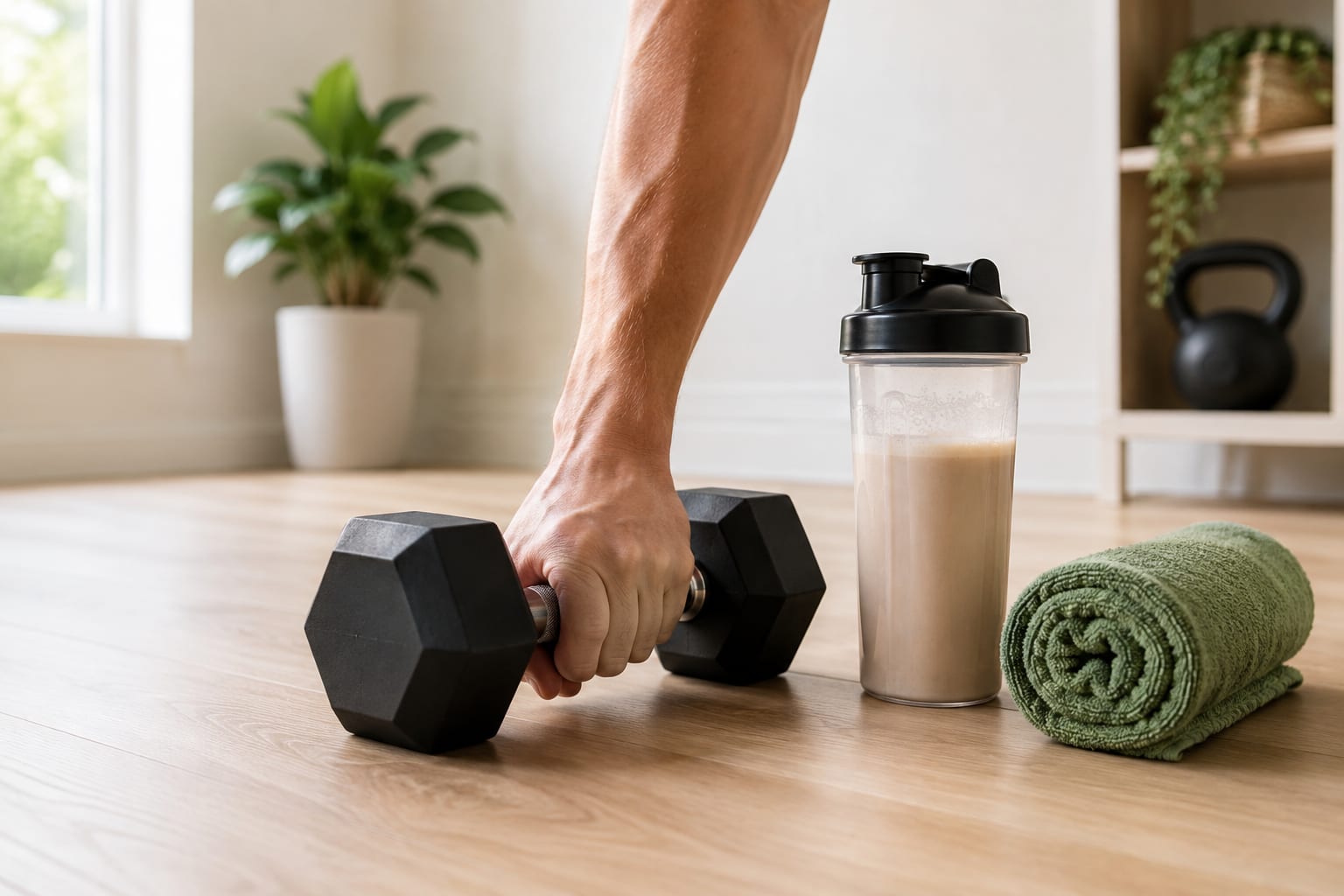
- move consistently, even if it's just walking.
If you're still on treatment, start here: we wrote a dedicated guide to nutrition during Ozempic and Mounjaro.
The 5 Habits That Protect Your Results
1. A High-Protein Breakfast
Starting the day with 20-30 g of protein is the single most effective habit for managing hunger in the hours that follow: protein is the most satiating macronutrient. Here's our high-protein breakfast guide with practical examples.
2. Protein at Every Meal, for Your Muscles
Protein contributes to the maintenance of muscle mass — and muscle mass is your number one metabolic ally after significant weight loss. Fish, poultry, eggs, legumes, dairy: something protein-rich at every meal, always.
3. The Plate Rule: Half Vegetables
When appetite returns, the volume on your plate starts to matter again. Filling half your plate with vegetables means more fiber, more satiety, and more micronutrients for the same calories.
4. Sleep Well
Insufficient sleep disrupts hunger hormones and increases cravings for calorie-dense foods: it's one of the most underrated saboteurs. We covered it in our guide on how to sleep better.
5. A Daily Nutrition Routine
The habits that work are the automatic ones: same time, same gesture, every day. A morning nutrient routine (and minerals in the evening) is an anchor that holds everything else in place, even in the rough weeks.
The Role of Nutritional Support
Let's say it without ambiguity: no supplement replaces a medication, and no supplement makes you lose weight. Anyone who tells you otherwise is selling you a fairy tale.
What serious nutritional support can do is something else: make consistency easy. In my experience as a Team Partner FitLine, the people who keep their results over time share one trait: a simple routine they never skip. It's the daily gesture that counts:
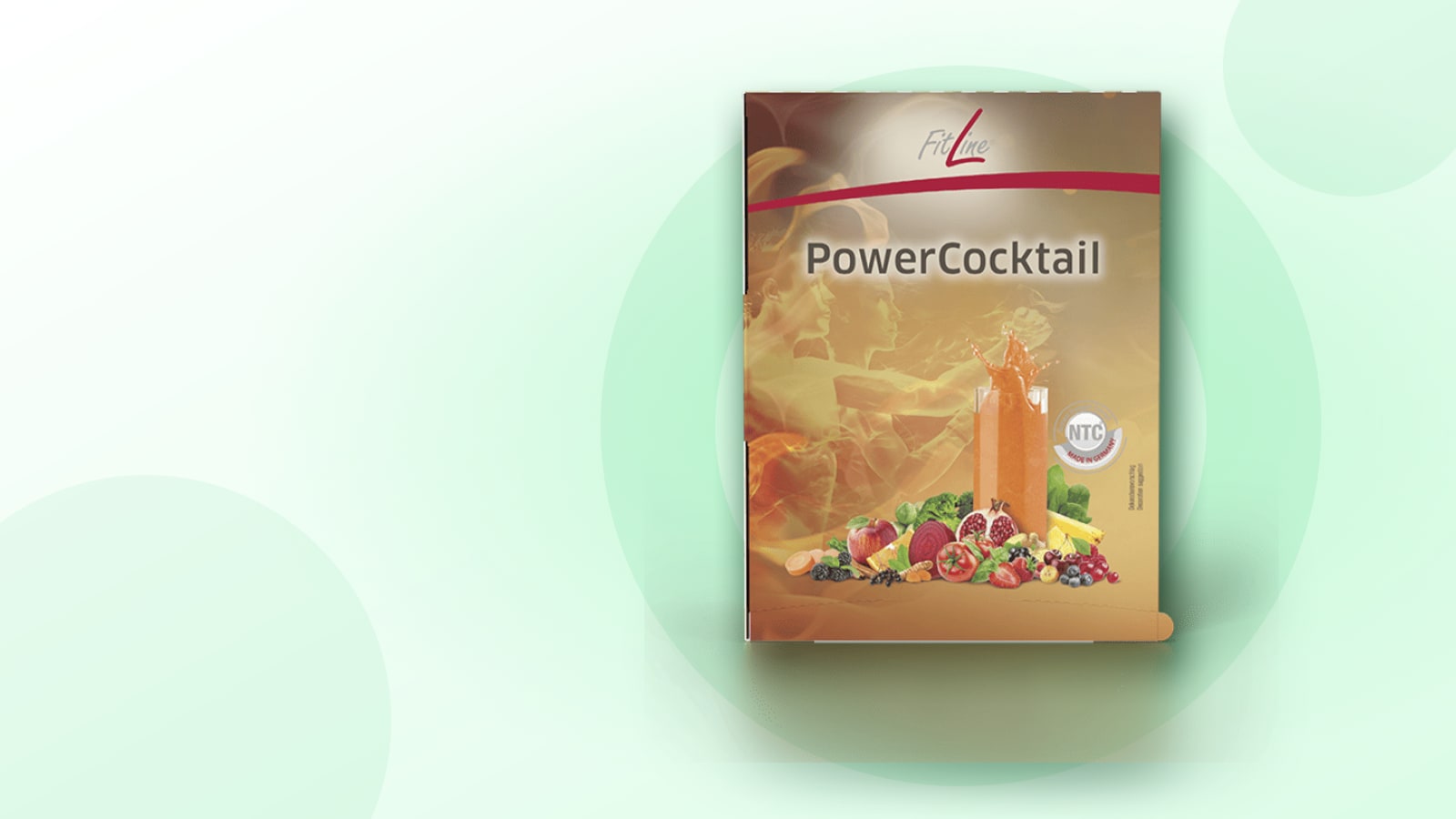
- PowerCocktail in the morning: B vitamins (which contribute to normal energy metabolism), minerals, fiber, and polyphenols in one glass.
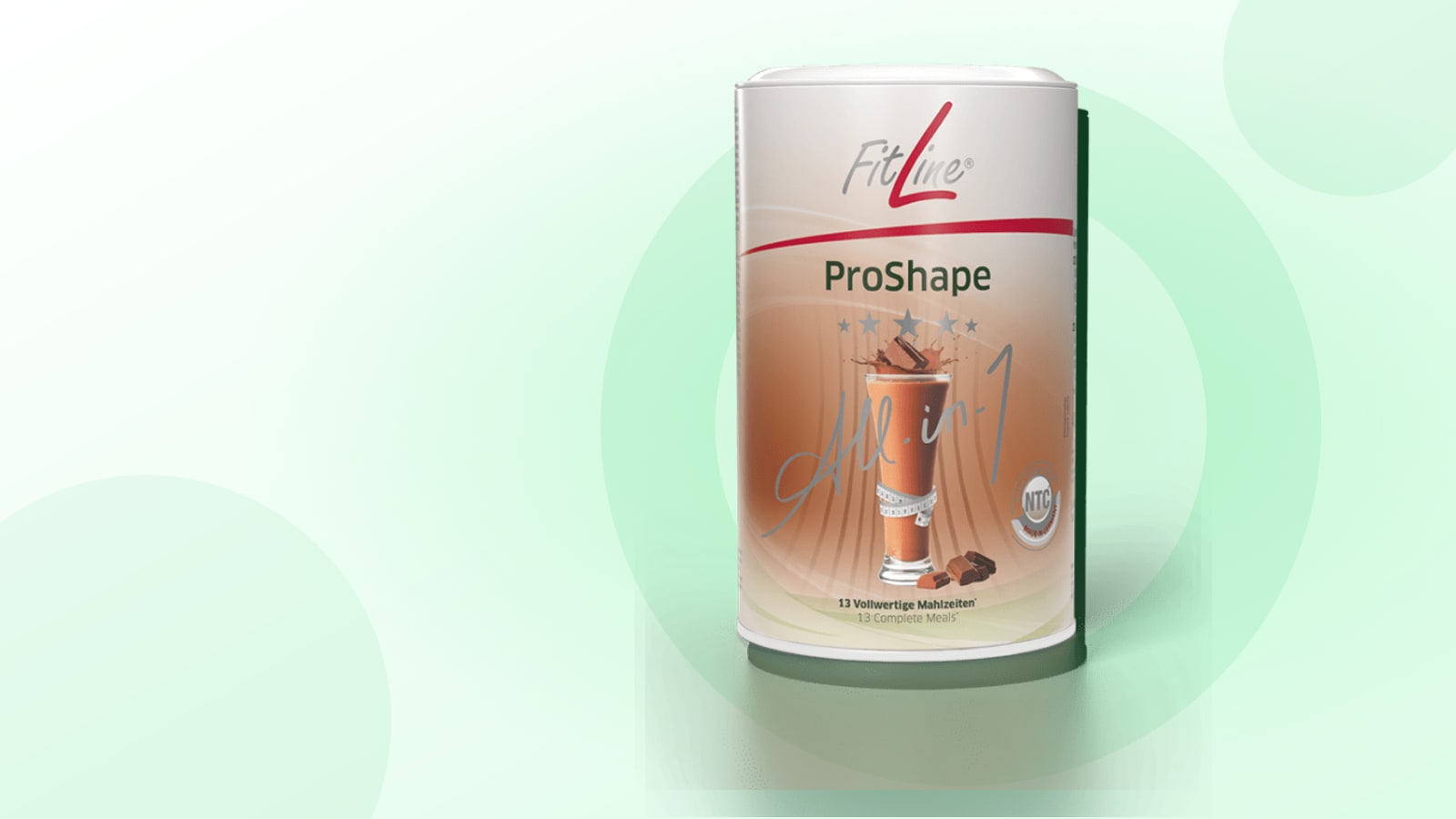
- ProShape when you need a practical, controlled protein source.
- Restorate in the evening: magnesium, calcium, and zinc.
If you're still on treatment or taking other medications, the usual rule applies: before adding any supplement, talk to your doctor. We analyzed safety and interactions in detail here.
A Realistic Path, Not a Promise
If there's one thing this blog has always repeated, it's this: no miracle promises. Keeping your results after GLP-1 therapy is possible, but it takes three ingredients nobody can sell you: consistency, habits, and patience. Nutritional support is the side dish that makes the road easier — not the main character. The main character is you.
Frequently Asked Questions
Does everyone regain weight after stopping Ozempic or Mounjaro?
No, not everyone — but it happens often to people who haven't changed their habits. Follow-up studies show significant average weight regain among participants, with large individual differences: those who keep up adequate nutrition and physical activity do markedly better.
When should I start building the new habits?
Right away, during treatment: it's the moment when change is easiest, because appetite isn't working against you. Waiting until treatment ends to "get back on track" means facing change at the hardest possible moment.
Can supplements replace the medication when I stop?
No, never. Medications and supplements are two different worlds: the drug acts on appetite through a pharmacological mechanism, while a supplement provides nutrients. No FitLine product is an alternative to Ozempic or Mounjaro, and anyone who suggests otherwise is being dishonest.
I'm afraid of regaining all the weight — where do I start?
With structure, not willpower: a fixed high-protein breakfast, meals on a schedule, half a plate of vegetables, a daily nutrient routine, and daily steps. Plus a conversation with your doctor or a dietitian for a plan built around you.
Read next: Ozempic and muscle mass: why protein really matters
Finishing your treatment and want to build your own nutrition routine? Reach out: I'll gladly tell you, no strings attached, how I use FitLine in my daily routine and what might make sense for you. The final decision, as always, goes through your doctor.
This article is for informational purposes only and is in no way a substitute for your doctor's advice. Never stop or change a treatment on your own.
Want to try FitLine with 5% off?
Message me on WhatsApp for a free consultation, or use my personal discount code to order now on the official store.
Discount code: de9affcf — valid on your first order.
Follow me on Facebook
One honest tip a day on supplements, nutrition and energy
On my page (in Italian) I share guides, comparisons and answers to the questions I get most often. No miracle promises: only what really works and what is just marketing.
Recommended Products for You
Selected based on the article you're reading


Author
Alfio Nicolosi
Independent FitLine Teampartner. Wellness and nutrition expert with years of experience helping people achieve their health goals.
Learn more