Informazione importante
Questo articolo è scritto da Alfio Nicolosi, Distributore Indipendente PM-International. I contenuti rappresentano opinioni personali ed esperienze del distributore e non costituiscono comunicazioni ufficiali di PM-International AG. FitLine® è un marchio registrato di PM-International AG.
Nutrition on Ozempic and Mounjaro: Why Food Is the Real Challenge
Important note: this is not a medical article. Ozempic (semaglutide) and Mounjaro (tirzepatide) are prescription medications: every decision about your treatment belongs exclusively to your doctor. Here we talk only about food and nutrients — something that matters to anyone who is eating far less than they used to.
More and more people are taking GLP-1 agonist medications like Ozempic or Mounjaro. These drugs sharply reduce appetite: people taking them often find themselves eating half — sometimes a third — of what they ate before.
And this is exactly where a problem nobody talks about enough begins: eating less is not the same as eating well. When portions shrink drastically, so do the protein, vitamins, minerals, and fiber your body receives. Your need for those nutrients, however, does not shrink at all.
In this guide, we look at how to organize your meals during treatment to protect muscle, energy, and overall well-being — and how to start building, right now, the habits you will need when the medication ends.
The Hidden Problem: Tiny Portions, Unchanged Requirements
With appetite suppressed by GLP-1 medications, three things happen all the time:
- Entire meals get skipped without you even noticing, because hunger simply never shows up.
- You eat whatever is around in small amounts: a snack, a piece of bread, something quick — often low in nutrients.
- Protein intake collapses, because meat, fish, eggs, and legumes are among the first foods that "just won't go down" once hunger disappears.
The result, well documented in the scientific literature on very-low-calorie diets, is a real risk of micronutrient deficiencies (iron, vitamin B12, vitamin D, magnesium, calcium) and, above all, an inadequate protein intake.
💬 Not sure if FitLine is right for you?
Message me on WhatsApp: I reply personally and I'll tell you honestly whether it makes sense for your goal — even when the answer is no. No strings attached.
Or find out how to get 20% off your products.
Protein: Priority Number One
When you lose weight quickly, your body doesn't burn only fat: without adequate protein and movement, a significant share of the weight you lose can be muscle mass. And muscle is exactly what you want to keep: it supports your metabolism, strength, posture, and day-to-day well-being.
European health authorities officially recognize that protein contributes to the maintenance of muscle mass. If you're eating very little, here's what matters in practice:
- Make protein the priority at every meal: if you can only eat a little, make that little protein-first (eggs, fish, poultry, dairy, legumes).
- Spread it across the day: 3-4 small protein-rich moments beat one single meal.
- Don't wait for hunger: on GLP-1 medications, hunger doesn't come. Eating on a schedule rather than by appetite is a strategy many dietitians recommend to people on these treatments.
A high-protein breakfast is the simplest way to start the day right: getting 20-30 g of protein first thing takes pressure off the rest of your meals.
The Micronutrients at Risk When You're Barely Eating
With portions cut in half, these are the nutrients that most easily fall short:
- B vitamins — they contribute to normal energy metabolism and to the reduction of tiredness and fatigue. With little meat, whole grains, and legumes, intake drops.
- Vitamin D and calcium — essential for your bones, and especially important during rapid weight loss.
- Iron — above all for women: less red meat often means less iron.
- Magnesium — contributes to normal muscle function and to the reduction of tiredness.
- Fiber — with so little food volume, digestion slows down; constipation is one of the complaints people on GLP-1 therapy mention most often (always bring it up with your doctor).
Hydration: The Detail That Changes Everything
A large share of your daily water normally comes from food. When you're eating much less, drinking becomes even more important: mild dehydration makes fatigue, headaches, and constipation worse — symptoms often blamed on the medication when they actually depend (at least in part) on too little water and too few minerals.
A simple habit: a large glass of water every 2 hours, and a mineral drink in the evening if your doctor agrees.
A Sample Day: A Practical Example
Here's what a day of eating with a reduced appetite can look like (always adapt it with your own doctor or dietitian):
| Time | What | Why |
|---|---|---|
| Breakfast | Greek yogurt + fruit, or eggs | 15-25 g of protein right away |
| Mid-morning | Water + micronutrient support if needed | Vitamin/mineral coverage |
| Lunch | Small but protein-rich portion (fish, chicken, legumes) + vegetables | Protein + fiber |
| Afternoon | Nuts or yogurt, water | Breaks up the day without weighing you down |
| Dinner | Light protein + cooked vegetables | Easier digestion in the evening |
The principle never changes: small volume, maximum nutrient density. Every bite has to "count."
Where Nutritional Support Like FitLine Can Help
Let's be clear right up front, no fine print: no supplement replaces the medication, your meals, or your doctor's advice. And FitLine is not a weight-loss product.
That said, anyone eating very little faces a simple math problem: fitting the nutrients they need into tiny portions. That is exactly the situation where nutritional support makes sense:
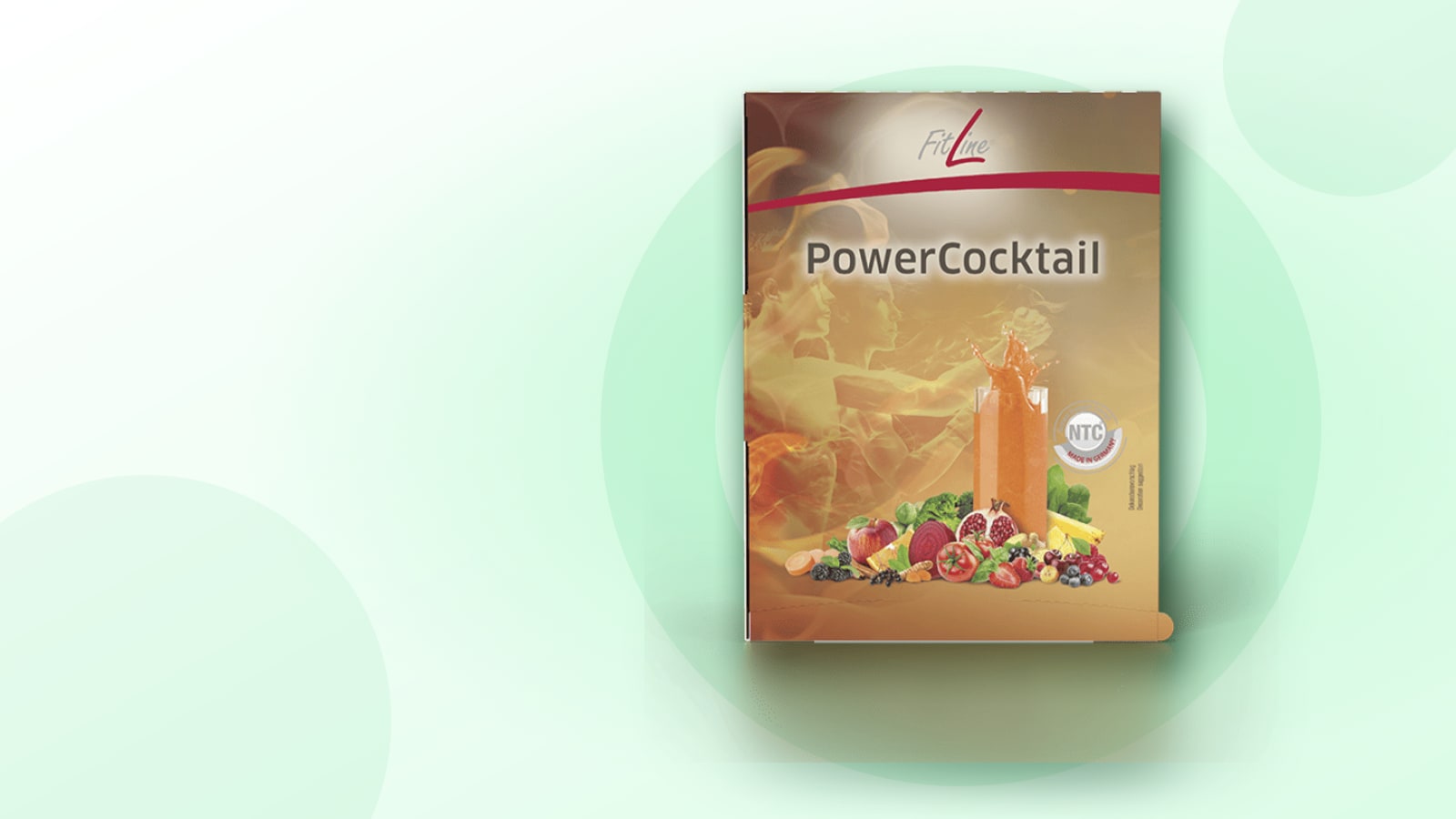
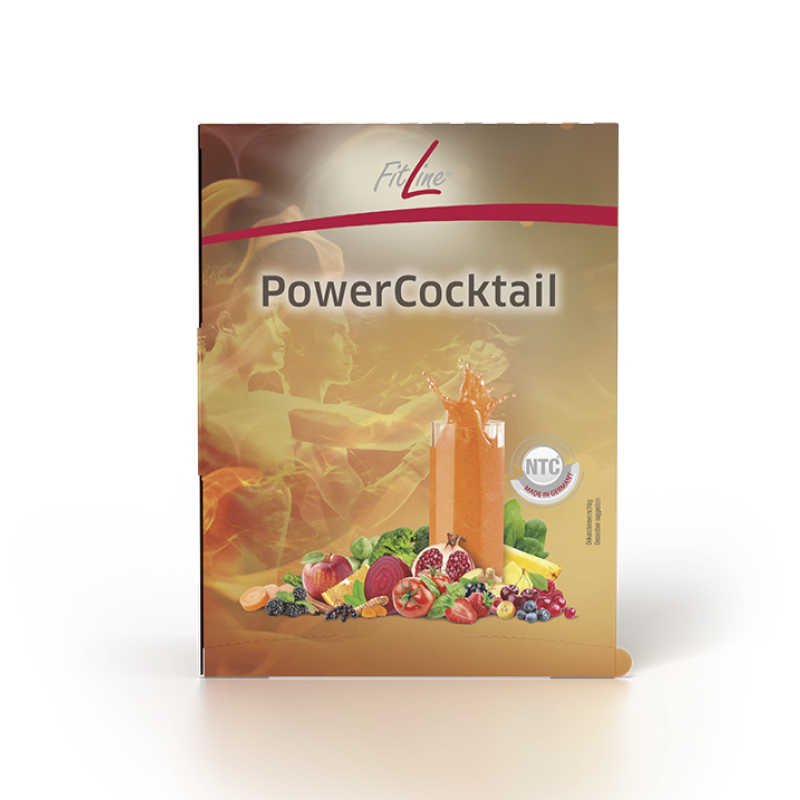
- PowerCocktail — vitamins, minerals, fiber, and polyphenols in one glass: a micronutrient base when meals don't cover much.
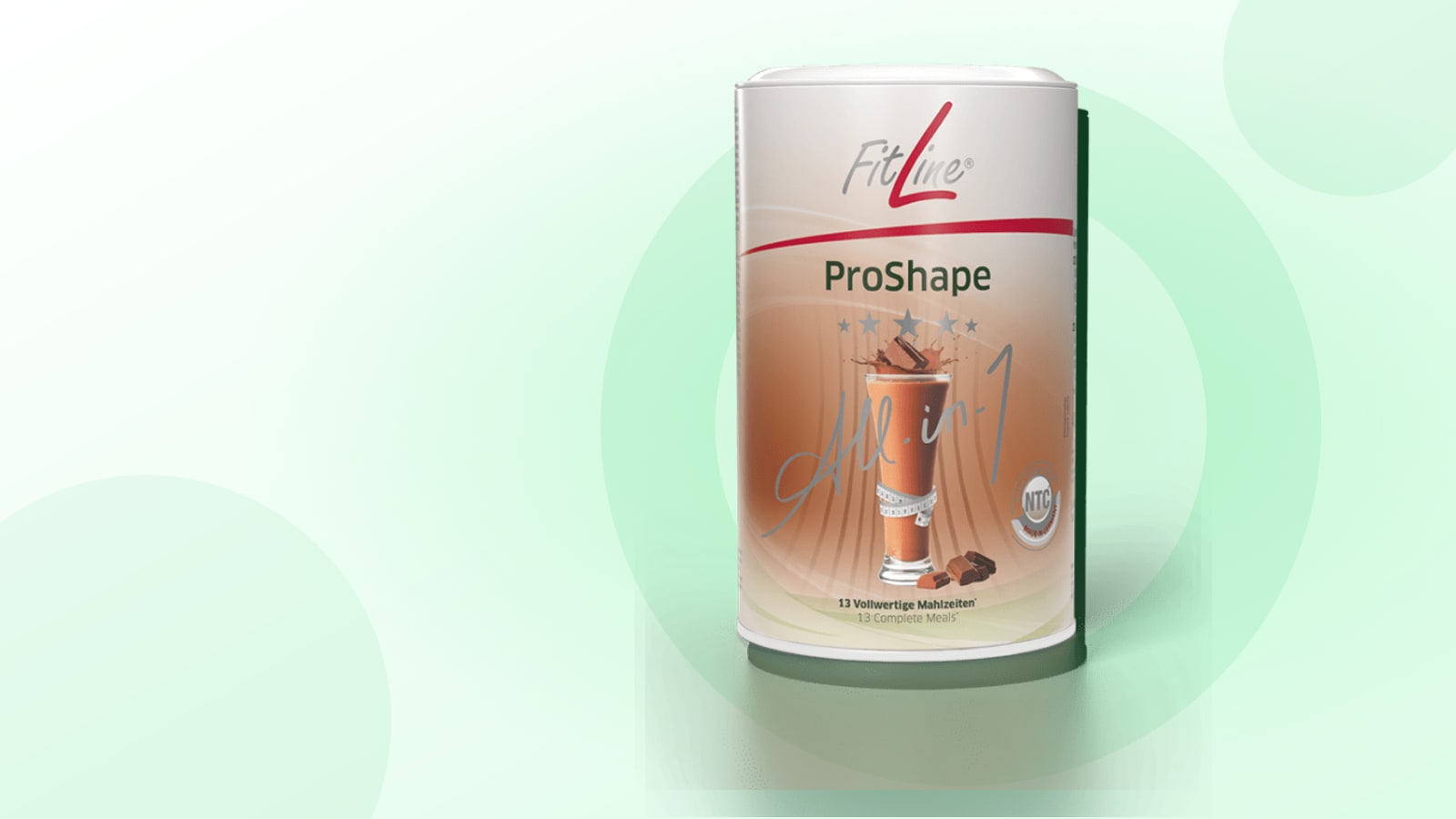
- ProShape — a practical protein source when food alone doesn't get you to your daily protein target.
- Restorate — minerals (magnesium, calcium, zinc) in the evening.
Vitamin and mineral supplements have no known documented interactions with GLP-1 medications, but the rule never changes: show the products to your doctor and get their OK before you start. You'll find our transparent analysis of safety and interactions in our article on FitLine side effects.
The Habits That Remain When the Medication Ends
This is the most important point in this entire guide. GLP-1 therapy ends sooner or later, and appetite comes back. If all you did during treatment was simply "eat less" without learning anything, you end up right back where you started. But if you used those months to build a routine — a high-protein breakfast, meals on a schedule, hydration, nutrients covered every day — you have a structure that keeps working afterward.
We wrote a complete guide on exactly this: how to keep your results after Ozempic and Mounjaro.
Frequently Asked Questions
Can I take supplements while using Ozempic or Mounjaro?
Vitamin, mineral, and protein supplements have no known documented interactions with semaglutide or tirzepatide. But you're the one on treatment, and the final call belongs to your doctor: bring them the product labels and ask for confirmation.
How much protein do I need during treatment?
Many nutrition professionals suggest that people losing weight need more than the standard amount — often in the range of 1.2-1.6 g per kg of body weight per day (roughly 0.55-0.7 g per pound). The right number for you depends on your age, activity level, and health status: set it with your doctor or dietitian.
Nausea keeps me from eating — what should I do?
Nausea and slowed digestion are known effects of these medications and should be reported to your doctor, who can adjust your treatment. On the practical side, many people find small frequent meals, simple foods, and cool drinks sipped slowly much easier to tolerate.
Does PowerCocktail interfere with the medication?
There are no documented interactions between micronutrients and GLP-1 agonists. PowerCocktail is a dietary supplement, not a drug. Either way: before adding any product to your routine while on treatment, talk to your doctor.
Read next: Ozempic and muscle mass: why protein really matters
Want honest, practical input on which FitLine products make sense in your situation? Reach out, no strings attached: I'll tell you frankly what could help you and what wouldn't. And remember: whatever you choose, run it by your doctor first.
This article is for informational purposes only and is in no way a substitute for your doctor's advice. Never change your dosage or treatment on your own.
Want to try FitLine with 5% off?
Message me on WhatsApp for a free consultation, or use my personal discount code to order now on the official store.
Discount code: de9affcf — valid on your first order.
Follow me on Facebook
One honest tip a day on supplements, nutrition and energy
On my page (in Italian) I share guides, comparisons and answers to the questions I get most often. No miracle promises: only what really works and what is just marketing.
Recommended Products for You
Selected based on the article you're reading

Author
Alfio Nicolosi
Independent FitLine Teampartner. Wellness and nutrition expert with years of experience helping people achieve their health goals.
Learn more