Informazione importante
Questo articolo è scritto da Alfio Nicolosi, Distributore Indipendente PM-International. I contenuti rappresentano opinioni personali ed esperienze del distributore e non costituiscono comunicazioni ufficiali di PM-International AG. FitLine® è un marchio registrato di PM-International AG.
The most protein-rich foods: the top 10 first
No preamble: if you're looking for high-protein foods, here are the champions per 100 grams.
| Food | Protein/100 g | kcal/100 g |
|---|---|---|
| Parmesan | 33 g | 392 |
| Bresaola | 32 g | 151 |
| Peanuts | 26 g | 567 |
| Canned tuna in water | 25 g | 103 |
| Chicken breast | 23 g | 110 |
| Salmon | 20 g | 185 |
| Dried chickpeas | 19 g | 316 |
| Eggs (2 medium) | 13 g | 143 |
| Tofu | 12 g | 76 |
| Greek yogurt 0% | 10 g | 57 |
But the "per 100 grams" ranking alone is misleading: nobody eats 100 g of parmesan (I hope), and 100 g of peanuts is 567 kcal. That's why this guide gives every food its real portion too — because that's where actual meals are built.
I learned these tables by heart out of necessity: when I understood that losing my 30 kg required more protein, not less food, the problem became practical — where do I get it, every day, without going crazy? This is the answer I wish I'd found back then.
Meat: the densest sources
| Food | Protein/100 g | kcal/100 g | Real portion |
|---|---|---|---|
| Bresaola | 32 g | 151 | 50 g → 16 g |
| Chicken breast | 23 g | 110 | 150 g → 35 g |
| Turkey breast | 24 g | 111 | 150 g → 36 g |
| Lean veal | 21 g | 107 | 150 g → 32 g |
| Lean beef | 22 g | 129 | 150 g → 33 g |
The practical rule: white meat and lean cuts as the base, red meat 1-2 times a week, fatty cured meats as the exception (bresaola being the noble exception to the exception).
💬 Not sure if FitLine is right for you?
Message me on WhatsApp: I reply personally and I'll tell you honestly whether it makes sense for your goal — even when the answer is no. No strings attached.
Or find out how to get 20% off your products.
Fish: protein + omega-3
| Food | Protein/100 g | kcal/100 g | Real portion |
|---|---|---|---|
| Canned tuna in water | 25 g | 103 | 80 g can → 20 g |
| Cod | 17 g | 71 | 200 g → 34 g |
| Salmon | 20 g | 185 | 150 g → 30 g |
| Prawns | 18 g | 71 | 150 g → 27 g |
| Mackerel | 17 g | 170 | 125 g → 21 g |
Oily fish (mackerel, sardines) brings omega-3 as a dowry: two portions a week is the sensible minimum target.
Eggs and dairy: the most versatile
| Food | Protein/100 g | kcal/100 g | Real portion |
|---|---|---|---|
| Parmesan | 33 g | 392 | 30 g → 10 g |
| Eggs | 13 g | 143 | 2 eggs → 13 g |
| Egg whites | 11 g | 52 | 100 g → 11 g |
| Greek yogurt 0% | 10 g | 57 | 170 g → 17 g |
| Cottage cheese | 11 g | 99 | 150 g → 17 g |
| Ricotta | 11 g | 146 | 100 g → 11 g |
| Skyr | 11 g | 63 | 150 g → 17 g |
This is the category that wins breakfast and snacks: Greek yogurt, skyr and cottage cheese are the three daily allies with the best protein/calorie/price ratio.
Legumes: the plant proteins that satiate
| Food (dry weight) | Protein/100 g | kcal/100 g | Real portion (cooked) |
|---|---|---|---|
| Lentils | 23 g | 325 | 200 g cooked → 18 g |
| Chickpeas | 19 g | 316 | 200 g cooked → 14 g |
| Beans | 21 g | 310 | 200 g cooked → 16 g |
| Peas | 22 g | 320 | 200 g cooked → 11 g |
| Edamame (fresh) | 11 g | 121 | 100 g → 11 g |
Non-negotiable bonus: legumes bring fibre that no steak has. For satiety per calorie, they're the absolute champions.
Grains, nuts and seeds: the sides that add up
| Food | Protein/100 g | kcal/100 g | Real portion |
|---|---|---|---|
| Peanuts | 26 g | 567 | 30 g → 8 g |
| Almonds | 21 g | 603 | 30 g → 6 g |
| Pumpkin seeds | 30 g | 559 | 20 g → 6 g |
| Oats | 13 g | 389 | 40 g → 5 g |
| Quinoa | 14 g | 368 | 80 g dry → 11 g |
| Wholegrain bread | 8 g | 247 | 60 g → 5 g |
Alone they're never enough, but summed they make the difference: 5 g from breakfast oats + 6 from snack almonds + 5 from bread is 16 "invisible" grams added to the count.
Vegetables: the most protein-rich (honestly)
Spinach (2.9 g), broccoli (3 g), Brussels sprouts (3.4 g): vegetables will never be a primary protein source, and anyone selling them as such is exaggerating. Their role is different — fibre, micronutrients, filling volume — and that's perfectly fine.
The best high-protein foods for weight loss
If the goal is weight loss, the right criterion isn't "protein per 100 g" but protein per calorie. The ranking changes:
- Egg whites — 11 g of protein in 52 kcal
- Cod and prawns — ~17-18 g in ~71 kcal
- Greek yogurt 0% and skyr — 10-11 g in ~57-63 kcal
- Canned tuna in water — 25 g in 103 kcal
- Bresaola — 32 g in 151 kcal
- Chicken/turkey breast — 23-24 g in ~110 kcal
- Cottage cheese — 11 g in 99 kcal
- Legumes — less dense but unbeatable on satiety
The ones to dose carefully in a calorie deficit: aged cheeses and nuts — excellent nutrients, many calories per bite.
Example: a 110 g protein day with real food
| Meal | What | Protein |
|---|---|---|
| Breakfast | Greek yogurt 170 g + oats 40 g + almonds 15 g | 25 g |
| Lunch | Chicken breast 150 g + spelt 70 g + vegetables | 41 g |
| Snack | Cottage cheese 150 g | 17 g |
| Dinner | Lentils 200 g cooked + egg + wholegrain bread | 27 g |
| Total | ~110 g |
How much you actually need depends on weight and goal: the exact calculation is in the daily protein guide. For practical ideas: high-protein breakfast, savory breakfast, protein snacks and the complete protein menu.
And when food isn't enough?
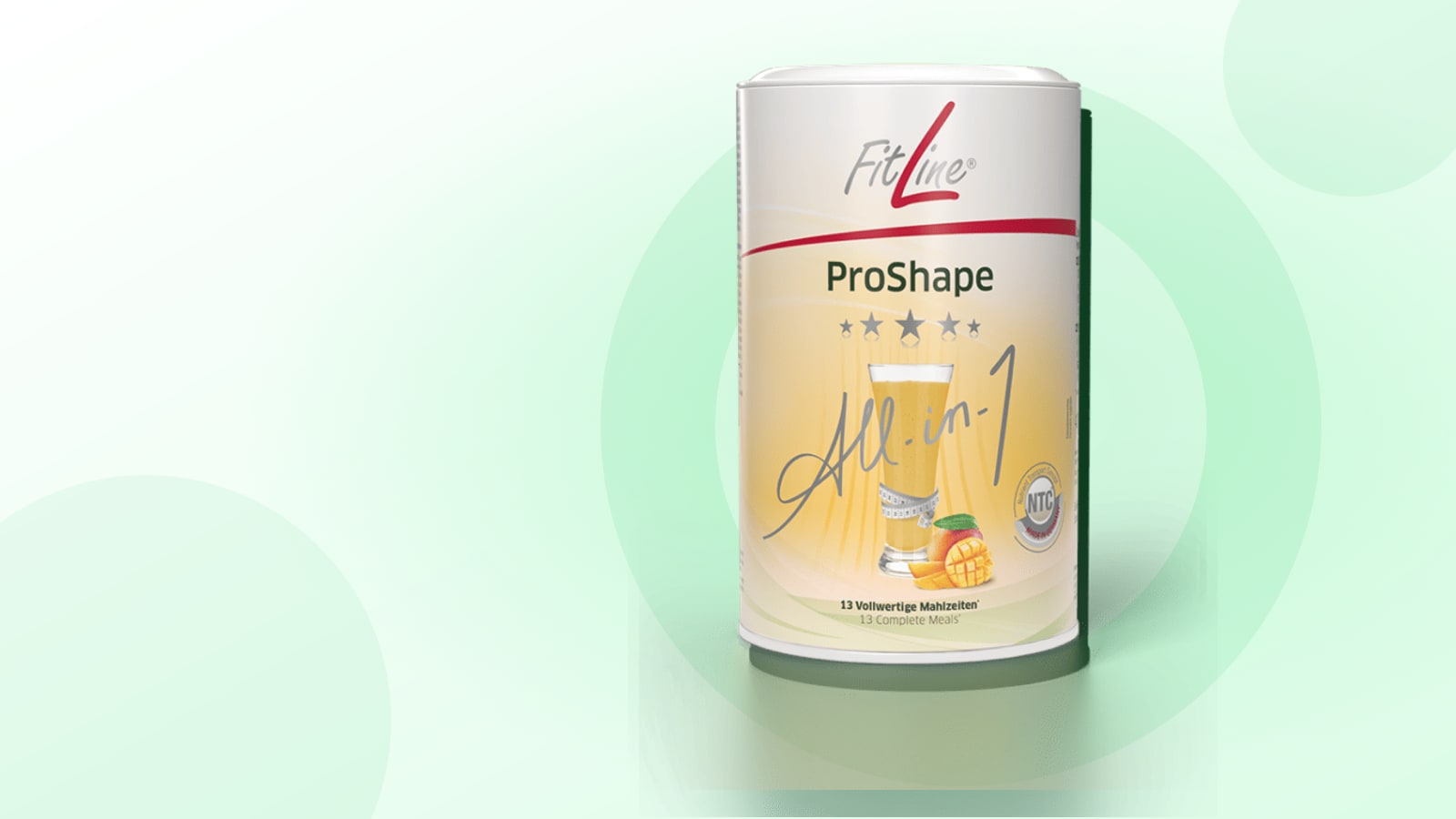
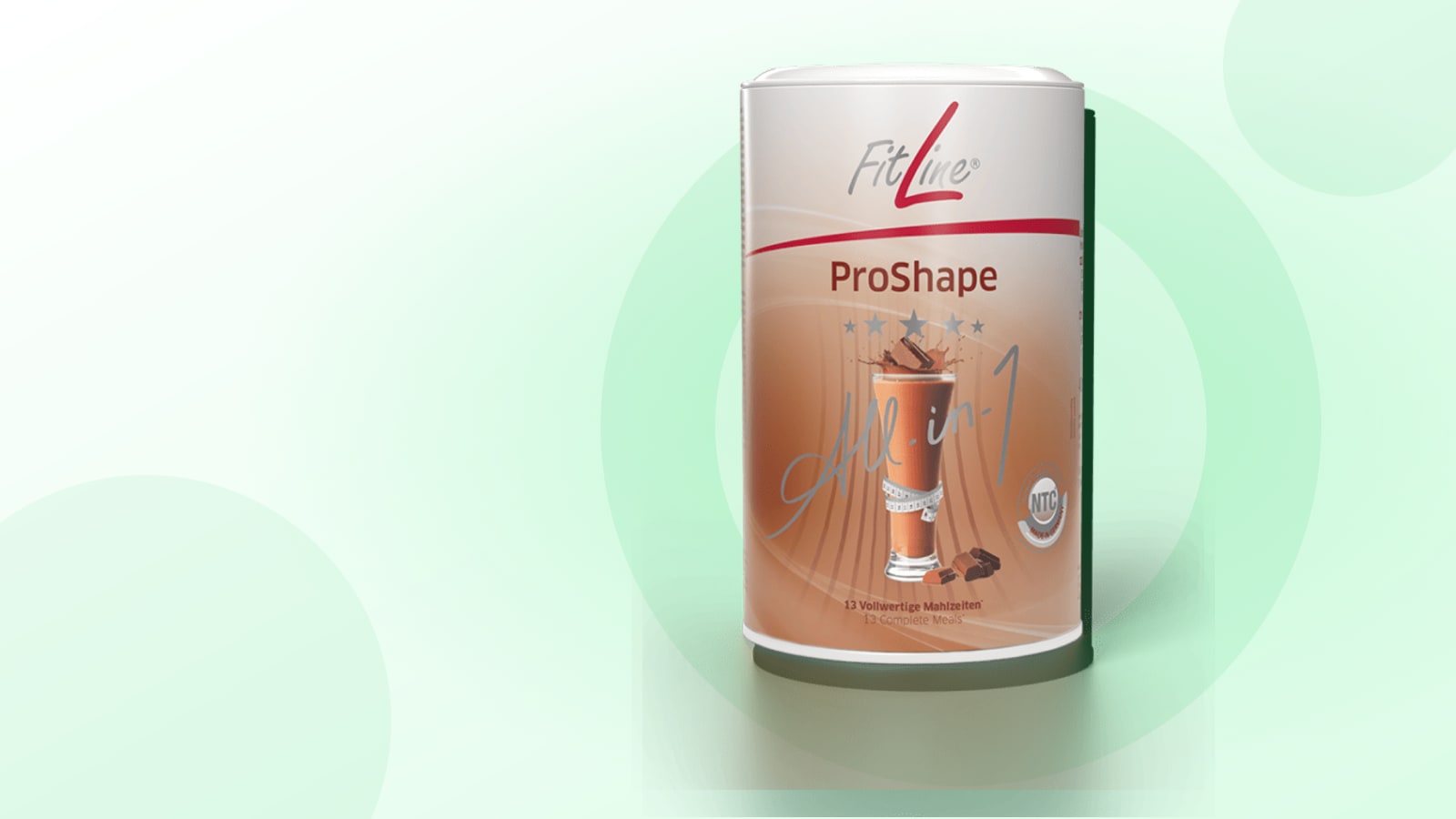
It happens: crooked days, skipped lunches, zero time. There, a protein shake is a legitimate tool — not an obligation, not a magic shortcut. I wrote an honest shake ranking; in my case, as a FitLine Team Partner, I use ProShape as plan B. Real food remains the starter: it brings fibre, micronutrients and chewing that no powder replicates.
Frequently asked questions
What is the most protein-rich food of all?
Per 100 g, parmesan (33 g) and bresaola (32 g). But for realistic portions and few calories, canned tuna, chicken breast and egg whites are the most efficient.
Do high-protein foods make you lose weight?
Not on their own: calorie balance is what counts. But for the same calories they satiate more and protect muscle in a deficit — which is why every serious plan starts here.
How much meat can I eat per week?
Common guidance: white meat 2-3 times, red meat 1-2, cured meats as the exception. The rest of your protein from fish, eggs, dairy and legumes — variety always wins.
Are plant proteins complete?
Some are (soy, quinoa), others have limiting amino acids — solved with the classic pairings: pasta and beans, rice and lentils. Tradition did the homework long ago.
Want to know how much protein you need and how to reach it with foods you actually like? Message me: we'll look at your typical day together and I'll tell you honestly what I'd change — and whether a supplement is needed or not.
This article is for information purposes and does not replace the advice of a doctor or dietitian. Nutritional values are indicative averages: they can vary by brand and preparation.
Want to try FitLine with 5% off?
Message me on WhatsApp for a free consultation, or use my personal discount code to order now on the official store.
Discount code: de9affcf — valid on your first order.
Follow me on Facebook
One honest tip a day on supplements, nutrition and energy
On my page (in Italian) I share guides, comparisons and answers to the questions I get most often. No miracle promises: only what really works and what is just marketing.
Recommended Products for You
Selected based on the article you're reading


Author
Alfio Nicolosi
Independent FitLine Teampartner. Wellness and nutrition expert with years of experience helping people achieve their health goals.
Learn more