Informazione importante
Questo articolo è scritto da Alfio Nicolosi, Distributore Indipendente PM-International. I contenuti rappresentano opinioni personali ed esperienze del distributore e non costituiscono comunicazioni ufficiali di PM-International AG. FitLine® è un marchio registrato di PM-International AG.
How much protein per day to lose weight: the answer in numbers
The short answer: between 1.2 and 2.0 grams of protein per kilogram of body weight per day. If you weigh 70 kg and want to lose weight, that's 85–140 g of protein a day — far more than most people eat without paying attention.
Here's the practical table; below I'll show you how to find YOUR exact number:
| Body weight | Minimum (1.2 g/kg) | Optimal when dieting (1.6 g/kg) | Upper useful limit (2.0 g/kg) |
|---|---|---|---|
| 60 kg | 72 g | 96 g | 120 g |
| 70 kg | 84 g | 112 g | 140 g |
| 80 kg | 96 g | 128 g | 160 g |
| 90 kg | 108 g | 144 g | 180 g |
| 100 kg | 120 g | 160 g | 200 g |
When I started my own journey — I was more than 30 kg overweight — this was the number I got wrong the most. I ate "little" but badly: lots of carbs, little protein. The result: constant hunger and, in my first diet attempts, I lost weight but felt weaker and weaker. I understood why later: I was losing muscle, not just fat.
Why you need MORE protein on a diet, not less
It sounds like a contradiction: I'm eating less of everything, but I should eat more protein? Yes, and the reason is precise.
When you're in a calorie deficit, your body looks for energy everywhere. If protein is scarce, it takes it from your muscles too. And every kilo of muscle lost hurts you twice:
- It slows your metabolism: muscle burns calories even at rest. Less muscle = fewer calories burned = slower and slower weight loss.
- It sets up the yo-yo effect: when you go back to eating normally, a body with less muscle stores fat more easily. That's the mechanism behind regaining weight "with interest" after every crash diet.
Protein does a second crucial job when dieting: it satiates more than carbs and fat. For the same calories, a protein-rich meal keeps you away from the cupboard for longer. And there's a third advantage: digesting protein costs your body more energy (the thermic effect of food), so part of its calories "pay for themselves".
💬 Not sure if FitLine is right for you?
Message me on WhatsApp: I reply personally and I'll tell you honestly whether it makes sense for your goal — even when the answer is no. No strings attached.
Or find out how to get 20% off your products.
How to calculate YOUR protein: the formula
Take your weight and multiply it by the right coefficient:
- 1.2–1.4 g/kg — if you're sedentary and want to lose a few kilos
- 1.6–1.8 g/kg — if you're dieting and train 2-3 times a week (where most readers of this guide sit)
- 1.8–2.2 g/kg — if you do serious strength training or your calorie deficit is aggressive
Special case — significant overweight: if you have a lot of weight to lose, don't use your current weight but a reference weight closer to your goal, otherwise the number comes out inflated. At 105 kg I didn't calculate on 105, but on about 85.
A full example: a 68 kg woman, office job, two workouts a week, goal -8 kg. Calculation: 68 × 1.6 = about 110 g of protein per day.
How to spread it across the day (this is where people fail)
The total matters, but distribution makes the difference: your body uses protein better when it arrives in 3-4 doses of 25-40 g rather than concentrated in one meal. The typical continental day does the exact opposite: near-zero protein at breakfast, average lunch, heavy dinner.
Here's what a well-distributed ~110 g day looks like:
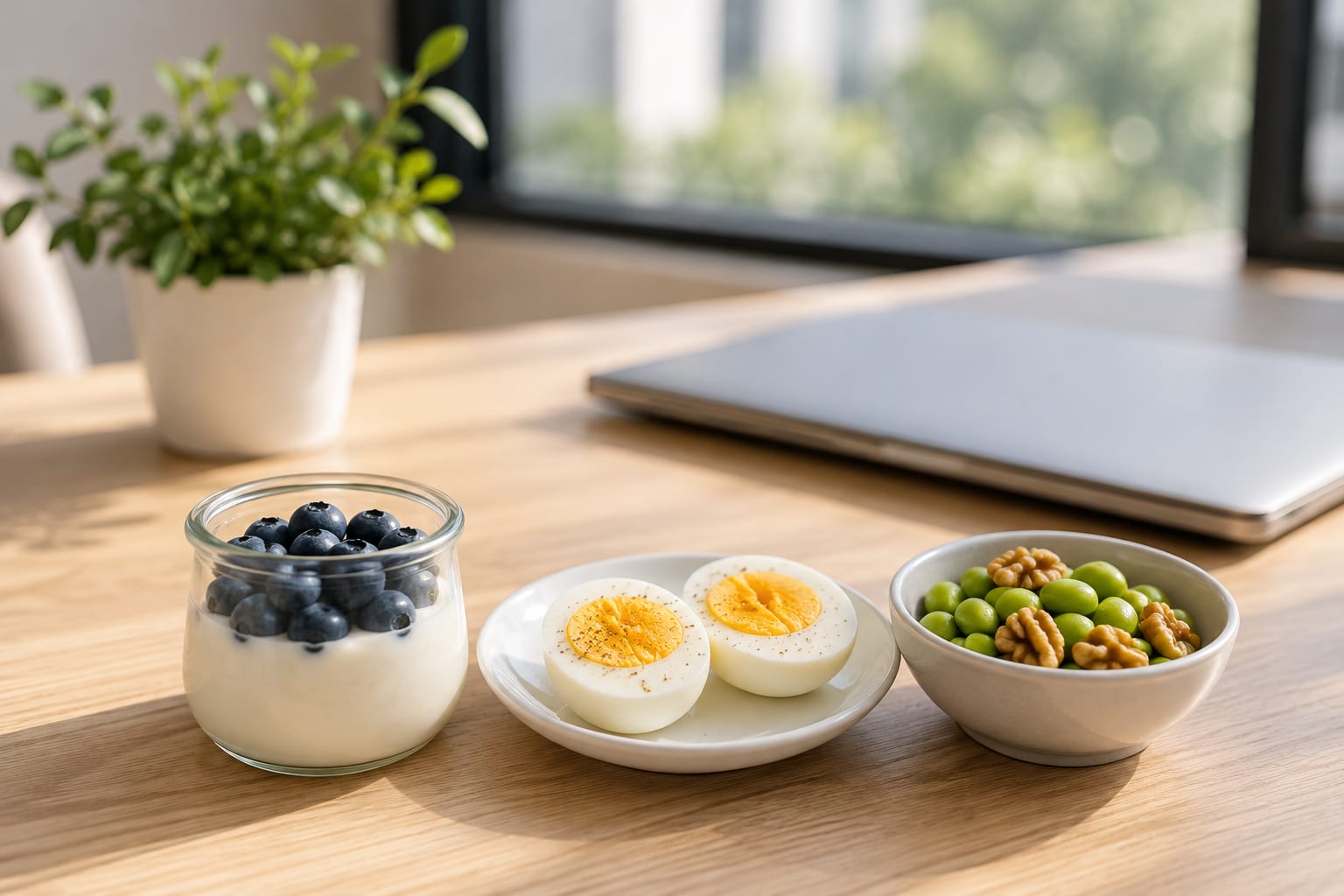
- Breakfast (30 g): Greek yogurt + oats + a handful of almonds, or eggs. If you're starting from croissant and cappuccino, this is the single change with the biggest impact: I wrote a full guide with 10 high-protein breakfast recipes.
- Lunch (35 g): 150 g of chicken breast or legumes + whole grains + vegetables.
- Snack (15-20 g): Greek yogurt, bresaola, or a shake — here are 12 high-protein snack ideas.
- Dinner (30 g): fish or eggs or ricotta + vegetables + a moderate carb source.
How much protein is in food: quick table
| Food (100 g) | Protein |
|---|---|
| Chicken breast | 23 g |
| Canned tuna in water | 25 g |
| Eggs (2 medium) | 13 g |
| Greek yogurt 0% | 10 g |
| Ricotta | 11 g |
| Cooked lentils | 9 g |
| Bresaola | 32 g |
| Parmesan | 33 g |
| Salmon | 20 g |
| Tofu | 12 g |
Practical note: reaching 110 g with food alone takes attention and a minimum of planning. It can be done — but this is where many people give up.
When supplementing makes sense (and when it doesn't)
I'm a FitLine Team Partner, so read this section knowing that. My honest position: protein powders are not magic and don't "make you lose weight". They're a practical way to fill the gap when food isn't enough or time is short.
They make sense if:
- your protein breakfast or snack systematically gets skipped for lack of time
- you can't eat a real meal within a couple of hours after training
- you're on a serious calorie-restricted diet and struggle to hit your target with food alone
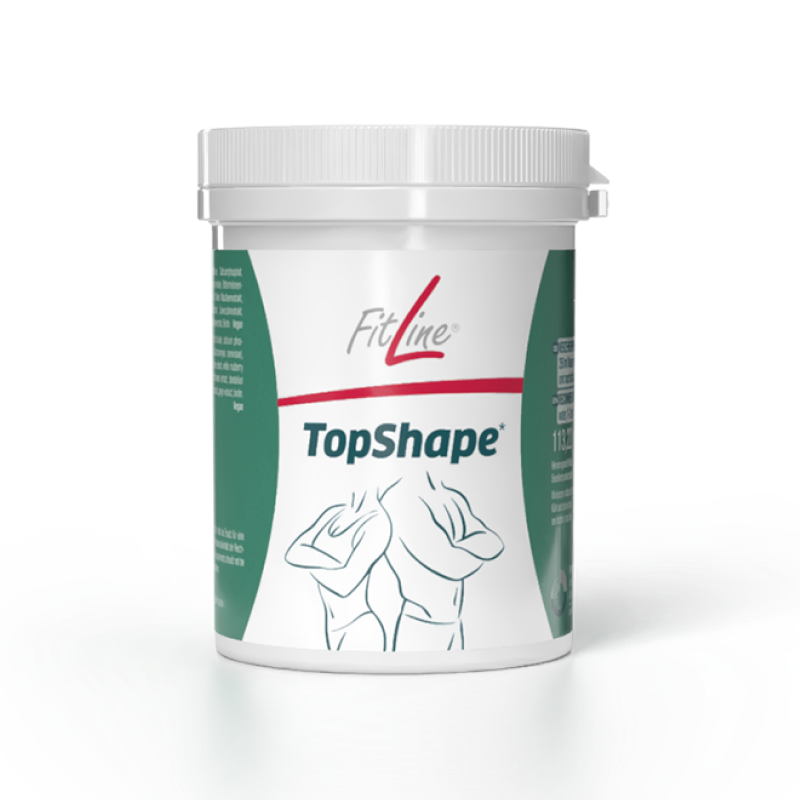
In my own routine I use FitLine ProShape All-in-1 as a meal replacement when I know lunch will be a logistical disaster, not as a fixed habit. If you want to see how it compares with the alternatives, I wrote an honest ranking of the best protein shakes for weight loss.
And if you're on GLP-1 medication (Ozempic, Mounjaro), protein becomes even more critical: with appetite switched off it's very easy to fall short. I cover it in detail in Ozempic and muscle mass.
The most common mistakes (I made all of them)
- Counting "by eye": 100 g of chicken is not 100 g of protein, it's 23. Weigh and count for the first two weeks: then your eye gets calibrated.
- Loading everything at dinner: your body doesn't stockpile protein; a surplus in one meal doesn't make up for shortfalls in the others.
- Cutting protein along with calories: when people decide to "eat less" they cut everything proportionally. Calories go down, protein must stay.
- Ignoring plant protein: legumes, tofu and whole grains contribute to your total and bring fibre that helps satiety.
Frequently asked questions
Does too much protein damage your kidneys?
In healthy people, studies don't show kidney damage at the intakes discussed here (1.2–2.2 g/kg). If you have kidney disease, talk to your doctor before increasing protein. When in doubt, always ask.
Can I lose weight without counting protein?
You can, but you're rolling dice with your muscle mass. Counting for 2-3 weeks means you won't have to count forever: you learn the right portions, then estimate.
Does protein make you fat?
No single food makes you fat by itself: total calorie balance is what counts. For the same calories, a higher-protein diet tends to produce better body composition precisely because it protects muscle and satiates more.
How much protein at breakfast?
Aim for 25-30 g. It's the meal where almost everyone sits at zero, and it's the one that decides your hunger for the rest of the day.
Want help figuring out whether you're short on protein and how to fix it? Message me: we'll look at your typical day together and I'll tell you honestly whether you need a supplement or not.
This article is for information purposes and does not replace the advice of a doctor or dietitian. If you have any medical condition, talk to a professional before changing your diet.
Read next:
Want to try FitLine with 5% off?
Message me on WhatsApp for a free consultation, or use my personal discount code to order now on the official store.
Discount code: de9affcf — valid on your first order.
Follow me on Facebook
One honest tip a day on supplements, nutrition and energy
On my page (in Italian) I share guides, comparisons and answers to the questions I get most often. No miracle promises: only what really works and what is just marketing.
Recommended Products for You
Selected based on the article you're reading



Author
Alfio Nicolosi
Independent FitLine Teampartner. Wellness and nutrition expert with years of experience helping people achieve their health goals.
Learn more