Informazione importante
Questo articolo è scritto da Alfio Nicolosi, Distributore Indipendente PM-International. I contenuti rappresentano opinioni personali ed esperienze del distributore e non costituiscono comunicazioni ufficiali di PM-International AG. FitLine® è un marchio registrato di PM-International AG.
Losing weight during menopause: the honest answer first
Yes, losing weight during menopause is possible. It's slower than at 30, it needs a different strategy from what used to work, but your body still responds — as long as you work with it, not against it.
A necessary premise: I'm not a woman and I won't play menopause expert. I'm a FitLine Team Partner who lost 30 kg, and more than half of the people I coach are women between 45 and 60: this guide comes from the questions they ask me every week and from what research actually says. For anything involving symptoms, hormone therapy and health, your reference point is your gynaecologist — not an article on the internet, not even this one.
Important note: menopause is not a disease to cure, and every journey is different. If you have significant symptoms (strong hot flashes, severe insomnia, low mood), talk to your gynaecologist before focusing on the scale: sorting the symptoms often makes everything else much easier.
What really changes in your body (spoiler: it's not your fault)
Four concrete, documented things happen during menopause:
- Estrogen drops and fat changes address: it used to settle on hips and thighs, now it prefers the belly. Same weight, different waistline — it's not your imagination.
- Muscle mass declines faster: the hormonal drop accelerates the muscle loss already underway after 35. Less muscle = smaller metabolic engine = the same calories as before are now a surplus.
- Sleep gets worse (night sweats, waking up): and poor sleep alters hunger hormones — more ghrelin, less leptin, more sugar cravings the next day.
- Insulin sensitivity decreases: refined carbs "cost" more in terms of storage, especially abdominal.
Notice what's NOT on this list: "your metabolism is broken". Studies show resting metabolism stays essentially stable until 60. What changes is body composition, sleep, movement and hormones — and you can act on all of them.
💬 Not sure if FitLine is right for you?
Message me on WhatsApp: I reply personally and I'll tell you honestly whether it makes sense for your goal — even when the answer is no. No strings attached.
Or find out how to get 20% off your products.
Menopause belly: why it forms and how to actually lose it
The question I get most often. Menopausal belly fat is largely visceral fat: it sits around your organs, responds to hormones and stress, and it's the kind worth reducing for health, not just appearance.
Two uncomfortable truths and one piece of good news:
- There are no "belly exercises": crunches strengthen the muscle underneath but don't burn the fat on top. No food "melts" it.
- Crash diets make it worse: you lose muscle, cortisol rises, and your body stores fat right there again.
- The good news: visceral fat is the first to respond when you do things properly — moderate calorie deficit, adequate protein, strength training, sleep. Many women see their waistline move before the scale does.
Practical tip: measure your waist once a week, same time, same spot. During menopause it's a more honest indicator than weight, which fluctuates with water retention and hormones.
The menopause diet that works (and why it's not 1,200 calories)
Search "menopause diet" and you'll find 1,200-calorie plans everywhere. Here's why they work against you: with such a drastic cut your body loses muscle too, your metabolism shrinks further, and at the first slip you regain everything with interest. At 50 this mechanism is faster and crueller than at 30.
What works instead:
- A moderate deficit: 15-20% below your needs, not 40%. Better to lose 2 kg a month for six months than 6 kg in one and regain them.
- Protein as the absolute priority: 1.6-2.0 g per kg of body weight, spread across meals. During menopause your body responds less to the protein stimulus, so you need more of it precisely when appetite drops. I wrote a guide with the exact calculation for your weight.
- Whole carbs, not zero carbs: reduced insulin sensitivity calls for quality (legumes, oats, wholegrain bread), not total elimination — which worsens sleep and mood.
- Calcium and vegetables at every meal: bones lose density quickly in menopause; dairy, leafy greens and calcium-rich water work for you.
A well-built ~1,500-1,600 kcal day:
| Meal | Example | Protein |
|---|---|---|
| Breakfast | Greek yogurt + oats + walnuts + berries | 25 g |
| Lunch | Salmon or legumes + spelt + plenty of vegetables | 35 g |
| Snack | Ricotta with cocoa or a protein snack | 12 g |
| Dinner | Chicken or eggs + vegetables + baked potatoes | 30 g |
"Hot flashes make you lose weight" and other myths to retire
- Do hot flashes burn fat? No: the calorie expenditure of a hot flash is negligible. If you're losing weight without changing anything, talk to your doctor — it's not the hot flashes "working".
- "When menopause ends, the weight comes off": not automatically. After menopause the hormonal picture stabilises, and with the right habits weight loss becomes more predictable — but it doesn't happen on its own.
- "In menopause you need to eat very little": that's the mistake that hands your muscle to the scale. You need to eat better and with more protein, not almost nothing.
- "It's all hormones, there's nothing I can do": hormones explain the context, not the sentence. Women who work on protein, strength and sleep get real results at any age.
Magnesium and supplements in menopause: what actually makes sense
I'll say it as a FitLine Team Partner, with every interest in selling you something: no supplement makes you lose weight, not even in menopause. Anyone promising otherwise is selling fairy tales.
What supplements can do, inside a well-built plan, is cover the typical weak spots of this phase:
- Magnesium: the mineral that works hardest in menopause — it contributes to reducing tiredness and fatigue and to normal muscle and nervous system function. Many of the women I coach take it in the evening: in my case I recommend FitLine Restorate, which combines magnesium, calcium and zinc in soluble form. The best moment is before bed.
- Calcium + vitamin D: for your bones, which need active protection in menopause. Food first, then supplementation if your doctor considers it useful.
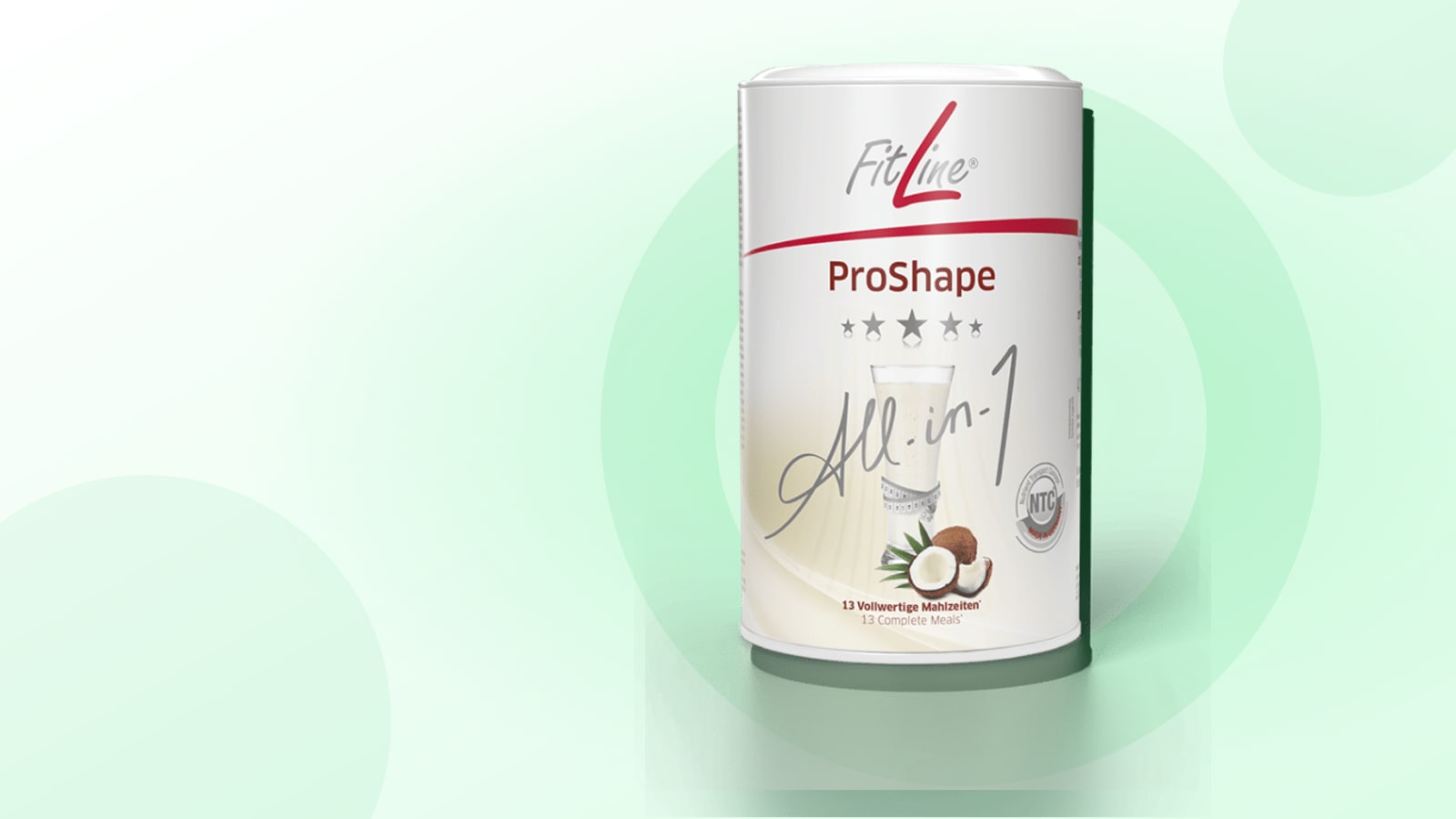
- Practical protein: when reaching 100 g a day with food alone is hard, a shake like ProShape is a tool, not magic.
- A micronutrient base: if your diet is irregular, a multivitamin like PowerCocktail covers the foundations — but doesn't replace fruit and vegetables.
If you take medication or follow hormone replacement therapy: talk to your doctor before adding any supplement. Always. No exceptions.
Training after 50: strength comes first
Walking is good, but on its own it's not enough: in menopause the priority is telling your muscles and bones they're still needed. Resistance training (weights, bands, bodyweight) 2-3 times a week is the lever that protects lean mass and bone density together — a two-for-one that's worth double at this age.
The realistic weekly plan is the same one I recommend to anyone losing weight after 40: 3 strength sessions of 30-40 minutes, 8,000 steps a day, and sleep treated as a diet tool — a cool bedroom (it helps with night sweats too), regular hours, no screens in bed.
Frequently asked questions
What should I eat during menopause to lose weight?
Protein at every meal (fish, eggs, legumes, low-fat dairy), plenty of vegetables, wholegrain carbs in moderate portions, good fats from olive oil and nuts. Structure matters more than single foods: 25-35 g of protein per meal and a moderate calorie deficit.
What should I take to lose weight during menopause?
No "fat burners": they don't work and sometimes do harm. Worth considering: magnesium (tiredness, sleep), calcium and vitamin D (bones), and a practical protein source if you can't hit your target. Everything else is marketing.
How much weight can you lose during menopause?
A healthy pace is 0.5% of body weight per week: for a 75 kg woman, about 300-400 g. In six months that's 8-10 kg lost well, without sacrificing muscle. Anyone promising "7 kilos in a month" is setting up your yo-yo.
Why am I losing weight in menopause without trying?
It happens, but don't ignore it: unintended weight loss always deserves a medical check (thyroid, medication, other causes). Book a visit before celebrating.
Does cortisol play a role in menopause belly fat?
Yes: chronic stress raises cortisol, which favours visceral storage. The most effective countermeasures aren't "anti-cortisol" supplements but regular sleep, walks, moderate strength training and — obvious but true — real breaks.
Are you in menopause and want to know where to start in your case? Message me: I'll tell you honestly which lever comes first for you and whether FitLine products have a role or not. Many of the women I coach started exactly here.
This article is for information purposes and does not replace the advice of your gynaecologist or doctor. For hormone therapy, significant symptoms or unintended weight loss, always consult a professional.
Read next:
Want to try FitLine with 5% off?
Message me on WhatsApp for a free consultation, or use my personal discount code to order now on the official store.
Discount code: de9affcf — valid on your first order.
Follow me on Facebook
One honest tip a day on supplements, nutrition and energy
On my page (in Italian) I share guides, comparisons and answers to the questions I get most often. No miracle promises: only what really works and what is just marketing.
Recommended Products for You
Selected based on the article you're reading



Author
Alfio Nicolosi
Independent FitLine Teampartner. Wellness and nutrition expert with years of experience helping people achieve their health goals.
Learn more