Informazione importante
Questo articolo è scritto da Alfio Nicolosi, Distributore Indipendente PM-International. I contenuti rappresentano opinioni personali ed esperienze del distributore e non costituiscono comunicazioni ufficiali di PM-International AG. FitLine® è un marchio registrato di PM-International AG.
Magnesium and potassium: what they're for (short answer)
Magnesium and potassium are two minerals your body uses every single minute: magnesium contributes to reducing tiredness and fatigue, to normal muscle and nervous system function and to electrolyte balance; potassium contributes to normal muscle function, nervous system function and the maintenance of normal blood pressure. In practice: energy, muscles, nerves, hydration.
The reason you always see them paired — especially in summer — is simple: you lose both through sweat, and they work on complementary fronts. When I started training seriously during my own journey (30 kg lost), night calf cramps were my "welcome gift": the signal that I was getting my water and mineral maths wrong.
In this guide: what they actually do, when to take them, how to tell if you're running low, where to find them in food, and how to choose a supplement without being fooled.
The documented benefits (without inventing anything)
Let's stick to what European authorities (EFSA) officially recognise — which is already plenty:
Magnesium contributes to:
- reducing tiredness and fatigue (the reason it's the first mineral to check when you feel drained for no reason)
- normal muscle function (contraction and relaxation — cramps included)
- normal nervous system function and psychological function
- electrolyte balance and normal energy metabolism
- maintenance of normal bones and teeth
Potassium contributes to:
- normal muscle and nervous system function
- maintenance of normal blood pressure
Notice what's NOT written there: "cures anxiety", "makes you sleep", "makes you lose weight", "lowers high blood pressure". Anyone selling magnesium with medical promises is crossing a line even the law doesn't allow. The real benefits are concrete enough without fairy tales.
💬 Not sure if FitLine is right for you?
Message me on WhatsApp: I reply personally and I'll tell you honestly whether it makes sense for your goal — even when the answer is no. No strings attached.
Or find out how to get 20% off your products.
When to take magnesium and potassium: the practical answer
The question everyone asks. Here's the honest scheme:
- In the evening, before bed — the moment I suggest most often for magnesium: many people associate it with a feeling of muscle relaxation, and if your issue is accumulated tiredness, closing the day this way makes practical sense.
- In summer or when you sweat a lot — after exercise or hot days, to replenish what sweat took away. This is where the magnesium+potassium pair shines.
- With or without food? — magnesium is generally better tolerated with some food; on an empty stomach and at full doses it can move your bowels (its most famous side effect).
- Every day or in cycles? — depends on why you take it. For seasonal replenishment (summer, intense training periods), 4-8 week cycles are the most common use. As a chronic habit with no reason: better to first find out whether you actually need it.
The rule that beats all others: consistency matters more than perfect timing.
Deficiency signs (and what NOT to do)
The most common signs of insufficient magnesium and potassium intake:
- persistent tiredness not explained by sleep
- muscle cramps (especially at night, in the calves)
- twitching eyelid (fasciculations)
- muscle weakness, irritability
Careful though: these symptoms have dozens of possible causes, from iron deficiency to thyroid issues to plain stress. What NOT to do: self-diagnose a deficiency and supplement blindly for months. What to do: if symptoms persist, a medical check with blood tests costs little and answers with certainty.
The foods richest in magnesium and potassium
The plate comes before the jar. Here's where to find them:
| Food (100 g) | Magnesium | Potassium |
|---|---|---|
| Pumpkin seeds | 550 mg | 800 mg |
| Almonds | 270 mg | 730 mg |
| Dark chocolate 85% | 230 mg | 720 mg |
| Black beans (cooked) | 70 mg | 355 mg |
| Spinach (cooked) | 80 mg | 470 mg |
| Avocado | 29 mg | 485 mg |
| Banana | 27 mg | 350 mg |
| Potatoes (baked, with skin) | 30 mg | 535 mg |
| Salmon | 30 mg | 380 mg |
| Magnesium-rich mineral water | 50-100 mg/L | — |
The reference intake for an adult is about 375 mg of magnesium and 2,000 mg of potassium per day. With a diet rich in vegetables, legumes, nuts and potatoes you get there; with an "office diet" of sandwiches and little else, hardly.
Contraindications and interactions: the serious section
No jokes here, because this is the part that matters:
- Kidney disease: your kidneys regulate the elimination of both minerals. Anyone with kidney problems must NOT supplement potassium or magnesium without medical guidance — excess potassium, in particular, can be dangerous for the heart.
- Medication: diuretics (some waste potassium, others retain it!), blood pressure medication, some antibiotics and heart medication interact with these minerals. If you take daily medication, asking your doctor is mandatory, not optional.
- Too much magnesium: the most common effect is the laxative effect — diarrhoea and abdominal cramps. If it happens, the dose is too high or taken on an empty stomach.
- Pregnancy and breastfeeding: only on your doctor's or gynaecologist's advice.
Magnesium and potassium supplements: how to choose without being fooled
The mineral supplement market is full of products that only resemble each other on the label. The criteria I use:
- Form of magnesium: organic forms (citrate, bisglycinate, pidolate) are generally better absorbed and tolerated than magnesium oxide, which is the cheapest but also the one that most easily "passes straight through".
- Honest doses: look at the percentage of reference values (% NRV) per daily dose, not the big absolute numbers.
- What surrounds it: added sugars, colourings, masking flavours. The less there is, the better.
- Format: soluble powders let you adjust the dose and absorb comfortably with your daily fluids.
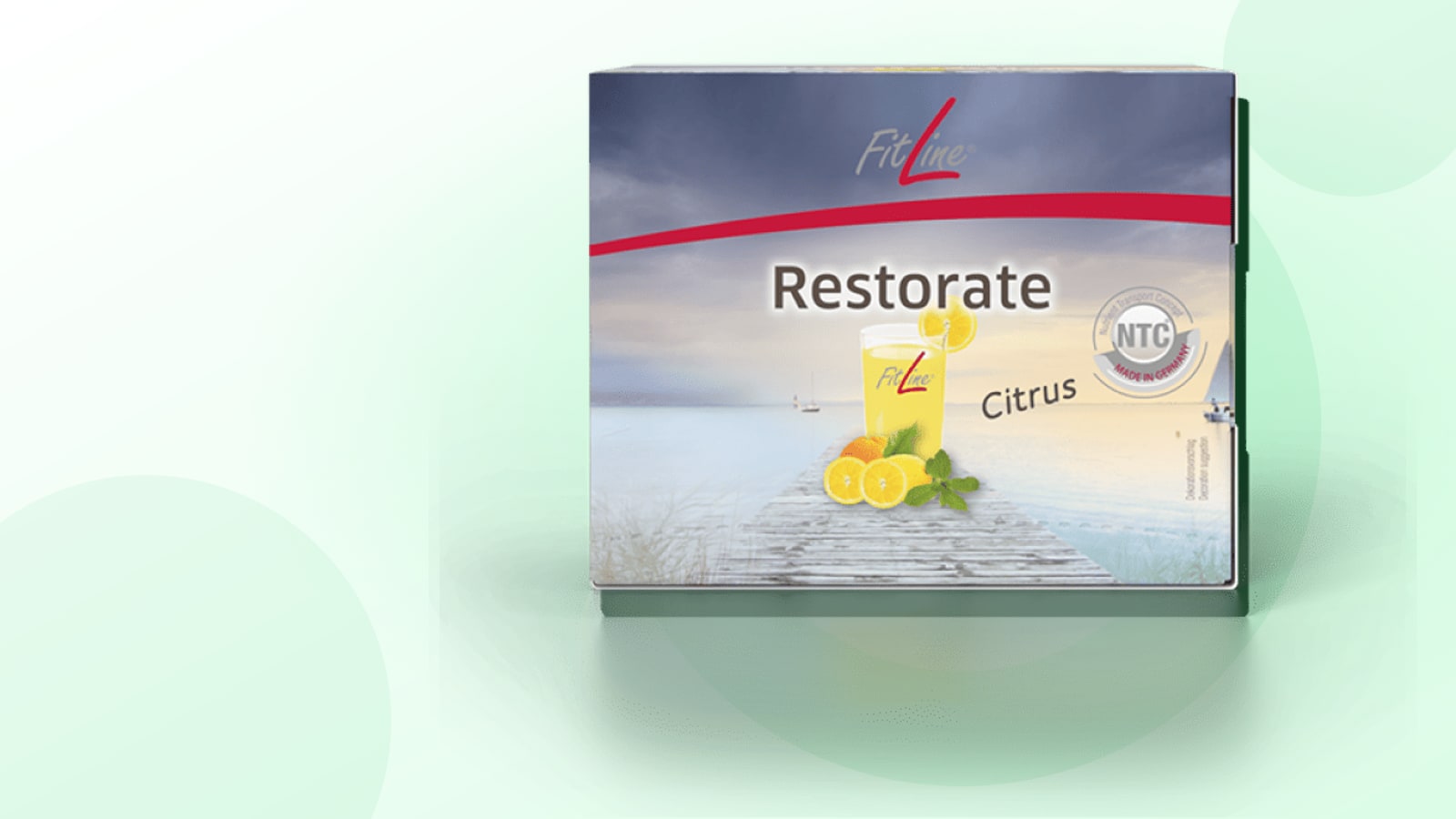
Transparency, as always: I'm a FitLine Team Partner. In my routine I use FitLine Restorate in the evening — magnesium, calcium and zinc in soluble powder, my end-of-day ritual — and in more "protein-heavy, vegetable-light" phases Basen Plus as a base mineral support. They do their job: replenishing minerals. They don't make you lose weight and don't cure anything — and anyone who tells you otherwise about any supplement is lying.
Magnesium is also a protagonist of women's wellbeing after 45: I covered it in the menopause weight loss guide and in the honest guide to menopause supplements. And if your issue is sleep, here's the link between sleeping and losing weight.
Frequently asked questions
Is it better to take magnesium in the morning or evening?
There's no obligation: evening is many people's favourite for the association with end-of-day relaxation; morning is fine if you'd otherwise forget. Consistency counts, not the clock.
Should magnesium and potassium be taken together or separately?
Together is perfectly fine — it's the most common format precisely because you lose them together through sweat and they work on complementary functions. Separate them only if your doctor prescribed a specific single-mineral supplementation.
Do magnesium and potassium help you lose weight?
No. No mineral makes you lose weight. What can happen is indirect: less perceived tiredness = more movement and more consistent workouts. But the calorie deficit is your job, not the jar's.
Are they useful for cramps?
Magnesium contributes to normal muscle function, and recurring cramps are one of the most common reasons to check your intake. If cramps persist despite good hydration and minerals, though, medical advice comes before raising doses.
How much magnesium per day?
The reference value for adults is 375 mg per day from the overall diet. Supplements typically cover 50-100% of this value per dose: no need to go beyond, and excesses end up in the bathroom — literally.
Tiredness, cramps, or simply want to know whether minerals have anything to do with your energy? Message me: I'll tell you honestly whether replenishing makes sense in your case, which one, or whether a medical check should come first.
This article is for information purposes and does not replace medical advice. In case of kidney or heart conditions or ongoing medication, always consult a professional before supplementing.
Read next:
Want to try FitLine with 5% off?
Message me on WhatsApp for a free consultation, or use my personal discount code to order now on the official store.
Discount code: de9affcf — valid on your first order.
Follow me on Facebook
One honest tip a day on supplements, nutrition and energy
On my page (in Italian) I share guides, comparisons and answers to the questions I get most often. No miracle promises: only what really works and what is just marketing.
Recommended Products for You
Selected based on the article you're reading

Author
Alfio Nicolosi
Independent FitLine Teampartner. Wellness and nutrition expert with years of experience helping people achieve their health goals.
Learn more